Today I saw, not for the first time, a group of people on Bluesky (supported by many likes) fantasizing about putting MAGA cultists in prison. No matter how often I see it, it still surprises me how quickly people turn to prison as a “solution” to problems. It represents a frighteningly violent desire for vengeance rather than actual solutions. It’s so normalized, and gets very little pushback.
Abolition needs to become much better understood. Let’s delve a bit into what jailing our political enemies would actually look like.
When you are feeling particularly and justifiably angry, you might hear yourself say, “I think Maga supporters should be in prison!”
So what you think should happen, the ideal solution in your heart and mind, is that we take the people who’ve been propagandized into a cult, and we put them in cages. We deprive them of food, we cut them off from their families and communities.
We let them get beat up and abused. We cut them off from trees and fresh air and the sound of birds. We deny them medical care and mental health support.
We control every minute of their day. We cut them off from any books that would help them understand and organize to change this situation.
We staff the place with guards. We put the burden of the dehumanization and control labour on these guards. These guards can then only deal with the psychological fracturing from facilitating this violence all day long by cutting off their ability to see these Maga prisoners as human.
We do that to them for some amount of time determined arbitrarily, maybe years. And then, what? We release them back into society after all that trauma?
Is that really, in your heart, what you think we should do?
Prison as a solution to social problems is a deeply unserious suggestion, and I think that needs to be said more often. But it’s more than that. It reflects a trapped imagination, an inability to think beyond the authoritarian control approaches that we’ve grown up with in settler colonial society.
More control, dehumanization and violence will not solve the problems caused by those things. Even if we wanted it to—and many do—we know it doesn’t work.
If prison worked to end behaviours that we don’t like in people, drug use would have been eliminated. But given that people are still doing drugs in prisons, as well as participating in every other kind of behaviour that landed them in there, and all of this continues after they get out of prison as well, it’s pretty clearly not effective. And sure, there may be some cases which seem like they are very clear-cut—certain frosty agents of the state who have harmed people—and your answer in those cases may be “well just don’t let them out at all.” But, even putting aside the massive problems of how harmful it is for the psyche and the soul to be a prison guard, as well as the dangers of having a system that grants certain people the power to decide who to put in cages for life in the first place (how do you know it won’t be turned on you, the way it is being turned on immigrants and trans people as we speak?), what about all the less clear-cut cases? What about those in power who knew what was going on, and stayed silent? What about the people who were conned and propagandized into supporting something that went against even their own interests? If we’re honest, that last category applies to almost all of us in the imperial core. Do Yemenis have a right to put Obama voters in prison? Do the Anishinaabe have a right to put Trudeau voters in prison?
This “jail my enemies” impulse scares me not only because of the unexamined bloodlust people so frequently display and support, but because each of these conversations means we’re not talking about what might actually work to change the conditions we’re facing. It’s doomerism, at its core.
Importantly, the opposite of prison and punishment is not “do nothing” or “don’t have any accountability.” I know you can think beyond that binary of “prison or nothing.” You are scared, I am too. But you are also smart and creative and wonderful. You can hold the complexity, the difficulty. We can hold it together. Abolitionists already have ideas for us!
If you do feel ready to do the deep, difficult, but rewarding work of exploring how we might get out of this mess with our humanity intact—first, I want to express my gratitude to you, because it’s honestly shockingly fucking hard to push past the anger enough to do this. Most people are not ready.
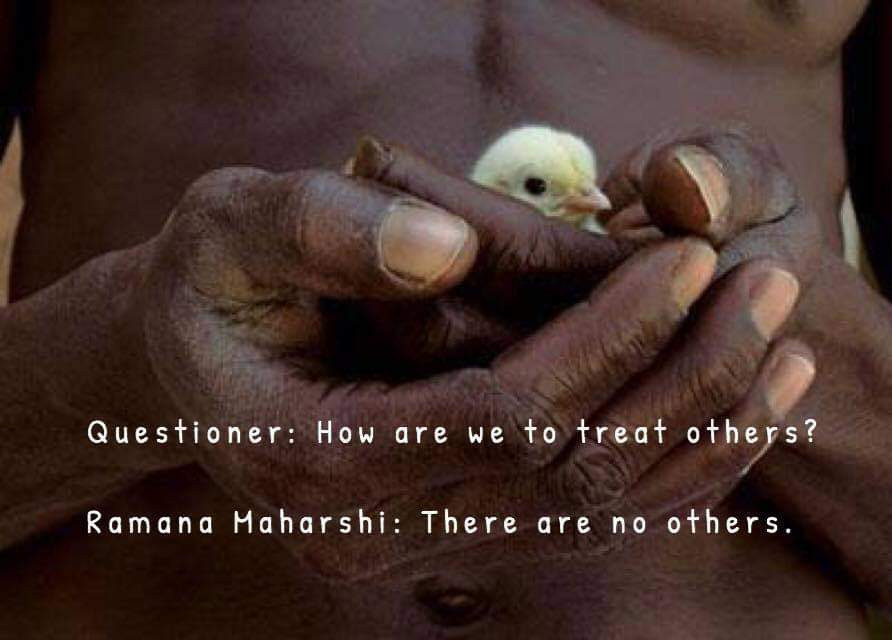
Step one is to figure out which of your identities makes you best suited to talk to other people with that same identity. As much as it sucks, I have to accept that white people are more likely to listen to me than the Black and Indigenous people I have learned from, so I talk to them. It’s a responsibility, but also an opportunity. Men, talk to other men. Straight people, talk to other heteros. Religious people, talk to others in your faith. Non-Indigenous people, talk to other settlers. Most of all, working class people, talk to each other about class issues! (Class is generally the most productive place to focus your efforts in my opinion, because it’s the great uniter, and the reason we were divided against each other by capitalists in the first place. But it has to be grounded in decolonization as well.)
Here are five resources I suggest to start with to build these communication and organizing skills. None are perfect, all are just tools in a toolbox. Pick whichever interests you, leave anything you don’t feel aligned with.
1) Nonviolent communication training: an incredible resource for learning how to talk to and connect with people using a non-authoritarian approach. (This is where I learned to identify how often people interpret suggestions and requests as demands, a quick way to see how unresolved trauma functions to hamstring our movements.) The intro training is free on Spotify.
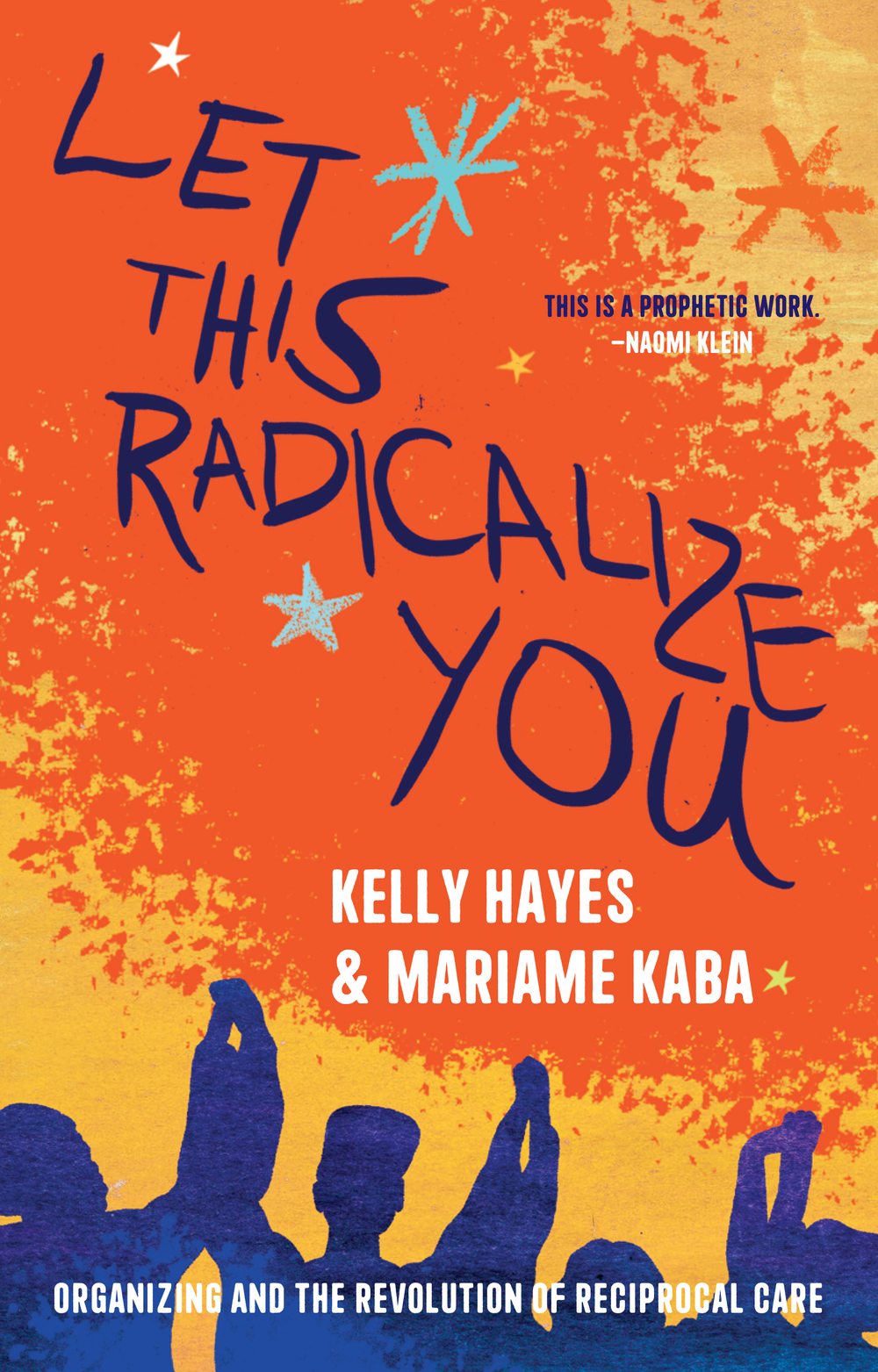
2) Let This Radicalize You by Kelly Hayes and Mariame Kaba: practical advice for organizing and activism, and how to make hope something that you build with others.
3) Maybe I’m cheating by calling this one a single resource, but it’s just too good! Interrupting Criminalization has got so much! Use it all, share it all! They are amazing!
4) Shaun does amazing work speaking to and about young white men from a critical but also humanizing perspective. Here’s another of his videos, and more resources I’ve compiled for fostering positive masculinity. I have also started making videos about this!
5) If the stuff about animist spirituality above intrigued you and you’re ready to go deeper and see how spirituality is an essential component to integrate in order to combat the appeal of fundamentalist cults, then listen to The Emerald podcast. “Oh Justice” is a relevant episode, but listen to any that pique your interest. My favourite is “Snail Juice.”
Be well, keep up the good work, rest and find joy. I love you, we’re all in this together.
I quit academia to educate without gatekeeping. I’ve compiled a ton of free resources here. If you REALLY want to get down and dirty with that decolonial life, join my Patreοn to get access to exclusive patrons-only writing and videos, including my PhD dissertation, which was embargoed by my university for being too politically spicy. If you’re on a healing journey, you can consult with me about psychedelic use.
If you appreciate this article, please share it with others! Here are three ways to say thank you, and support me doing more of it:
💲 Send me a straight-up cash tip if you’re baller like that
👧 Buy my kids supplies like toothpaste and sunscreen!
Dr. Hilary Agro is an anthropologist, community organizer and mother of two young children.
 Dr. Hilary Agro, PhD