Today I have the honour of bringing you a guest post written by my colleague and good friend, Rima Dib. She is one of the most powerful and thoughtful community organizers I know. She leads practical anti-oppression workshops and workplace training. We have spent many nights talking into the early morning hours about children’s liberation, and her words are fully endorsed by me.I have added some of my thoughts at the end.
The Epstein Files have made one thing even clearer than it already was. The ultimate victims of all our failed systems and corrupt power is, and has always been, children. It’s well past time to change that. If you are someone who has ever uttered the words “I just don’t like children,” this message is especially for you. But it’s also for everyone, as in the imperial core we have all been raised with some amount of cultural programming that dehumanizes and sidelines kids.
Center the Children: A Manifesto for True Liberation
Every generation tells itself that it loves children, that they are the future, that they deserve better. Yet our actions tell another story. Across every movement that claims to fight for justice, children remain the most neglected constituency.
They are the ultimate victims of violence, exploitation, and neglect, because children are always the ultimate victims of every form of structural violence that exists. They are the most vulnerable, yet the least protected; the most valuable, yet the most expendable. Their lives are shaped by power they do not hold, by institutions they did not design, and by choices they cannot escape.
We are failing them in every imaginable way.
They are trafficked, shot in classrooms, and forced into labour. They are left hungry in rich countries and bombed in poor ones. We poison their bodies through contaminated food and air, and their minds through manipulative media and marketing. Corporations are permitted to profit from childhood itself, selling insecurity, extracting attention, and designing dependency. And we allow it.
Meanwhile, adults openly say things like “I just don’t like kids,” as though that isn’t a form of discrimination. Dehumanizing jokes about kids being “annoying” or a nuisance are made even in spaces where that would be unacceptable to say about any other group of people. But children absorb that disdain while watching a world destroy their safety, their dignity, and their future. Disdain for children becomes complicity in a world where adults are allowed to hit, shoot and bomb kids every day without consequence, and the environment they are inheriting from us—and their future on this planet—is fed into the profit machine.
If liberation movements are to mean anything, whether for climate, equity, race, gender, or disability justice, they must begin and end with children. You cannot create a sustainable society while exploiting its youngest inhabitants. You cannot claim progress while neglecting those who will inherit its consequences.
To center children is not sentimentality; it is systems change. It means crafting policy, economics, and community life through the lens of children’s well-being and agency. It means holding institutions accountable for outcomes that sustain, rather than sacrifice, their future. It is the moral reckoning we have avoided for too long.
A society that fails to protect children can never be just.
A movement that excludes their needs cannot call itself free.
And until we center children fully, fiercely, and without compromise, no liberation is complete.
Every policy, every system, every movement must begin with one question:
What does this mean for the children?
If children are our compass, we will find a just way forward.
A “yes, and!” from Dr. Agro
I believe that a lot of the reason that people block themselves from seeing the full humanity of children, and from letting in the incredible joy that they offer, is the same as why people block themselves from connecting with nature: when you open yourself up to that profound joy, it comes along with a deep sense of anxiety from the realization of what we have been collectively doing to the most beautiful parts of our existence as humans. It is easier to stay blocked off, so you don’t have to reckon with how much control, neglect and violence children are subject to, the role each of us play in perpetuating that, and our responsibility to help fix these problems.
I believe as well that because so many people were treated badly as children, it is physically painful for them to treat children better than they were treated, because to do so means opening yourself up to immense grief for what you deserved but didn’t get. And since that is a pretty serious undertaking, we have very few structures in place to support grief processing and healing, avoidance of these feelings manifests as downplaying and justification: “I went through that and I turned out fine,” “it’s not that big of a deal,” “they’ll get over it,” “kids need to learn that that’s how life is.”
If you’re willing, here are some questions you can ask yourself to begin to center child liberation in your praxis:
Further reading:
How often do I interact with children? If rarely or never, why is that?
What am I doing to work on my ability to tolerate and welcome the existence of children around me, as their full selves?
What can I do to make my social spaces more welcoming to children and their caregivers?
What can I do to make my organizing spaces more welcoming to children and their caregivers?
How can I factor in the well-being of the environment when making decisions about non-essential purchases?
If children in my community were being treated the way children in Palestine are, would my responses be different?
Men are not trash. Perpetuating that narrative helps normalize rape culture by making it seem like it’s just inherent to their nature. It’s not.
I know why a lot of women and enbies say this, and I share their frustration, rage and pain. And yet, we still have to contend with the situation if we want to fix it: men are full human beings deserving of care and understanding, even the ones who do the most harm. The social system of patriarchal masculinity is what’s trash, and it hurts men too. But thankfully, systems made by humans can always be unmade. We can change anything that we collectively want to change.
If you’re a women or non-binary person and what I’ve said so far is creating a response in your body that feels really bad—if you feel defensive or angry thoughts bubbling to the surface—I invite you to read something else that makes you feel powerful and uplifted instead. I write from an abolitionist perspective focused on collective liberation, and it’s not my intention to fuel more disconnection. But I also have enough respect for the fellow working-class people I am writing for that I have a commitment to communicating from an honest place, even when I know it cannot be received by everyone at all times. I’ve written a bit more at the end of this article to explain what I’m doing here, and address some concerns that often come up from women. Anyone who feels mostly okay, or who is up for a bit of challenge, a bit of stretching: please read on.
Humans are all born prosocial creatures, it’s how we’re wired to survive. We are primates who live in groups because we die if we’re on our own. We are literally not biologically equipped for individualism. That means that every member of our species, Homo sapiens, is born with instincts that guide them towards relationality as a core survival mode. We need other people, and we need a healthy environment to provide us with water, air, food and shelter. Acknowledging our place in this ecosystem is the core of relationality.
It takes a lot to program a human to hate, fear and dominate others, but several thousand years of internal and then external European colonization managed to do it, and now children in the settler colonies of North America on Turtle Island are raised with experiences that enforce those unnatural values on them from day one: blind obedience to authority, chronically ignoring our bodies, strict gender role enforcement. We are told, over and over, to ignore the signs our bodies are telling us in favour of external control: get up, eat what you’re given, sit still, listen, don’t whine, don’t cry, stop running so much, stop laughing so loud, don’t play with that, go to bed right now. You’re tired when it’s time to wake up? Too bad. You’re energetic when it’s time for bed? Too bad. You’re hungry or sad at the wrong time? The adults around you are too stressed to have space for that. And they are genuinely doing the absolute best that they can with the limited financial and/or emotional resources that they have.
“Men,” as in the flesh-and-blood human beings that are our brothers in the world, are not the problem. I will keep saying this until my dying breath, because we will not fix these problems until we start seeing them as systemic more than individual. If we change the system, and reconnect to ourselves and others, men—and all of us—will heal.
Our ancestors knew that systems were the danger, and knew the power and potential that humans have to harm and destroy, and had many different cultural strategies in place for managing it (many of which are explored in the excellent podcast The Emerald). Colonialism replaced collective ritual with authoritarian religions, schools, money, screens. There is a reason men are not okay.
I work with people to help them set up solo psychedelic healing journeys, and my clients are mostly men. It’s so jarring coming from sessions where men are pouring their hearts out, working so hard to heal for the sake of themselves and their loved ones, and then go online and see the discourse just dump shit all over them.
Generational trauma runs very, very deep. Things have been awry for a long time. We subject boys, literal children, to the most unimaginably dehumanizing conditions at a massive cultural scale in the imperial core, and then we participate in the same dehumanizing dynamics that are hurting us all by calling them pieces of shit for not fighting off structural forces when they were 7.
Men can and do heal, including men who’ve done severe harm. The rest of us (who all, in the imperial core, participate in harmful systems) can as well, and when we do, all of this becomes easier. It feels so much better in my body to practice loving everyone than it did to selectively fear, resent and hate people. It makes me a better organizer, a better teacher, a better parent, a better friend.
Decolonial animist spirituality, for the brave
Here, I am compelled to nudge us towards rediscovering the animist worldviews of our European (and African, and Asian) ancestors, and of almost all Indigenous cultures throughout history and still today. I don’t talk about this as much as I want to, especially considering how profoundly it’s changed my own well-being for the better, because I know a lot of people aren’t ready for it. But it is the missing piece that allows for a more holistic embrace of systems thinking at the level of the body, not just the mind.
Humans are fundamentally pro-social, but our actions and potential are shaped by spiritual forces (or systems if you’re nasty*). Once you understand this, it becomes much easier to blame the forces that are feeding off our disconnection and hatred, rather than individual humans, or lumped-together groups of people like men, themselves. (Important side note: you can absolutely view this as a metaphor if the idea of spirits makes you uncomfortable. I encourage you to free yourself from the objectivist trap of focusing on the materialist scientific “truth” of this worldview, and instead think about it as a framework through which to view social dynamics. I come from a deeply skeptical, evidence-based mindset, and animism is just as compatible with that as other philosophical frameworks, such as Marxist theory or feminism, that rely on material evidence but are not testable and universally replicable using the scientific method. The scientific method is an essential tool for many problems, but it is limited in its scope, and it cannot be the only tool in our collective toolbox. In sum, I use sage and have an altar, and I am also abundantly vaccinated.)
I will expand on decolonial animist spirituality in future writing and videos, but all I’ll say for now is: When you have 200,000+ years of our ancestors thriving and saying “this is how the world works and these are the things that must be done to ensure the well-being of our people and all living beings,” how are you gonna say “no actually, YOU’RE the ignorant morons” with a straight face as our environment collapses around us and everyone is miserable?
“All beings have an innate spiritual aliveness that connects us? Haha, no, I think me as a white lady from the most fucked up society that’s ever existed knows more than you, thank you very much.” – Me before plant medicines and serious engagement with Indigenous philosophy humbled my colonized ass.
Before I keep going, I just want to encourage you to share this article with someone else if it has felt insightful (maybe even keep it handy for the next time you see someone call men trash), because I’m an independent educator who lives at the whim of billionaire-funded algorithms and it’s hard to break through that shit, okay thank you I love you, on we go.
What to do?
So, what can we do about this situation we’re in?
If you do feel ready to do this deep, difficult, rewarding work of movement-building without individualism and shaming, here are my suggestions. But first, I want to express my gratitude to you, because it’s really, really hard to push past the anger we’ve been trained to target at our fellow human beings enough to do this. Most people are not resourced enough for it. I struggle with it all the time!
Step one is to figure out which of your identities makes you best suited to talk to other people with that same identity. As much as it sucks, I have to accept that white people are more likely to listen to me than the Black and Indigenous people I have learned from, so I talk to them. It’s a responsibility, but also an opportunity. Men, talk to other men. Straight people, talk to other heteros. Religious people, talk to others in your faith. Non-Indigenous people, talk to other settlers. Most of all, working class people, talk to each other about class issues! (Class is generally the most productive place to focus your efforts in my opinion, because it’s the great uniter, and the reason we were divided against each other by capitalists in the first place. But it has to be grounded in decolonization as well.)
Encouraging men to start a men’s group, or starting one yourself, is a hugely beneficial thing to do. Make sure the stated and practiced values of the group are decolonial, feminist and anti-oppressive.
Here are five resources I suggest to start with to build these communication and organizing skills. None are perfect, all are just tools in a toolbox. Pick whichever interests you, leave anything you don’t feel aligned with.
1) Nonviolent communication training: an incredible resource for learning how to talk to and connect with people using a non-authoritarian approach. (This is where I learned to identify how often people interpret suggestions and requests as demands, a quick way to see how unresolved trauma functions to hamstring our movements.) The intro training is free on Spotify.
2) Let This Radicalize You by Kelly Hayes and Mariame Kaba: practical advice for organizing and activism, and how to make hope something that you build with others.
3) Maybe I’m cheating by calling this one a single resource, but it’s just too good! Interrupting Criminalization has got so much! Use it all, share it all! They are amazing!
5) If the stuff about animist spirituality above intrigued you and you’re ready to go deeper and see how spirituality is an essential component to integrate in order to combat the appeal of fundamentalist cults, then listen to The Emerald podcast. “Oh Justice” is a relevant episode, but listen to any that pique your interest. My favourite is “Snail Juice.”
Be well, keep up the good work, rest and find joy. I love you, we’re all in this together.
I quit academia to educate without gatekeeping. I’ve compiled a ton of free resources here. If you REALLY want to get down and dirty with that decolonial life, join my Patreοn to get access to exclusive patrons-only writing and videos, including my PhD dissertation, which was embargoed by my university for being too politically spicy. If you’re on a healing journey, you can consult with me about psychedelic use.
If you appreciate this article, please share it with others! Here are three ways to say thank you, and support me doing more of it:
Dr. Hilary Agro is an anthropologist, community organizer and mother of two young children.
*this is a queer culture joke, just disregard if it makes no sense lol
A note for skeptical women
In my outreach work, I often get women responding saying that they feel like they are expected to fix men, saying “it’s not my job to do that,” “I shouldn’t be expected to help men who’ve done nothing but hurt me,” things like that. Honestly, that’s extremely valid! I want to make it clear right now that it is absolutely not your job and no one expects you to do that. But it is my job! I’ve taken on this task willingly. When you read an article or watch a video of mine about men, you’re seeing me at work doing this on behalf of us. 😊
So I feel what you’re saying in my heart, and I think it’s very reasonable for you to focus on yourself and your healing, limit contact with people and conversations that hurt too much, and take all the space you need. Myself and other people can do this particular work for the collective, and you can contribute to the broader movement for liberation in whatever ways you’re able to, and trust us to carry the rest. ❤️
So don’t worry, I’m doing it for us as we speak so that you don’t have to! I’ve got this! Get some tea and enjoy some well deserved rest, beloved. The only thing I am asking women and enbies to do, if you’re not up for outreach work but do want to be supportive, is to please not make my job harder by venting your justified anger at men you don’t know online. In my work, I try to create a space for men to feel safe to talk about their experiences and work through some unlearning they’re doing around various oppressive structures. It makes my job harder when women and enbies come at those men in my comments sections for being a little bit confused about minor things when they overall mean well, and are on a journey. People can’t learn when they feel like making a small mistake will result in judgement, mockery and criticism. I want them to feel safe engaging with my work. When I taught at the university level, I can’t imagine how much harder it would have been for my students if they’d had someone jumping on every poorly articulated thought. Processing out loud, including in writing, is an essential part of learning.
My work is grounded in abolitionist ethics: approaches to conflict, crisis, violence and disagreement that reject punishment and coercion and instead centre collaboration, the transformation of conflict into opportunities for growth, and flexibility/experimentation. This is rooted in a deep engagement with Black and Indigenous feminists. I am interested, most of all, in material change. In all of my work, I ask the question: What actually works? What is effective?
I have not seen much evidence that shaming people works. But I have seen lots of evidence that offering compassion, understanding and respect is an effective way to create the human connection that is required for learning and growth to happen.
To maintain a safe environment, I have had to block a few particularly hostile people who were responding to multiple men on my videos lashing out at them, and I really don’t like doing that. So please help me out by keeping the venting to those spaces where it won’t be seen by men struggling to free themselves from the mental chains that have been imposed on them—ideally with your girlfriends in the group chat.
Why do I trust men to be able to change?
Because over my years of doing this work, I’ve heard from hundreds of men who’ve talked about the changes they’ve made and the gratitude they feel for the people who held space for them while they worked through things, including when they still had some propagandized beliefs. (I talk about this in the YouTube video I made on this topic, it actually made me emotional.) I also try to remember that bot farms whose entire purpose is to sow discontent are real. But mostly, through my own healing I have found that approaching everyone with compassion just feels best in my body, and as a point of personal and abolitionist values (and based on my education and personal experiences) I hold the belief that everyone is doing their best and the core of harmful behaviour is just fear. ❤️
Liberals—defined as people with progressive social beliefs who generally support capitalism implicitly because they don’t know what it is or because they have a poor understanding of it, ie. those who believe “sexism and homophobia are bad but land ownership is good”—are not going to save us. No movement against fascism will ever succeed if it’s not led by the left, because fascism is capitalism in crisis. Yes, it is our job on the left to help people see this. No, we cannot sit back and let liberals call the shots.
But, can we let liberals into the movement for liberation? The question itself, though I see it discussed a lot, is misleading: in the end, no one is in charge. There’s no lineup with a broad-chested trans masc аntifа supersoldier holding a velvet rope making sure no one who’s ever said “well people taking advantage of welfare is a problem” gets in (believe me, I wish it were that easy). This is a decentralized, often organic movement. Libs are finding their way into it by being radicalized by what they’re seeing in their communities, thanks to the repulsive buffoons that run the American Gеstapο. And that’s great! That’s what we want! We should be excited by all the newly energized soccer moms and Formula 1 dads taking to the streets. But wait… They’re bringing with them some beliefs and practices that are counterproductive to the fight for liberation. Some have questions about trans women in sports, some believe that certain settler colonies have a right to exist. Not great! But also, inevitable, because we were all raised in a shitty, settler colonial system that kept us hidden from the truth of our interconnectedness at all costs.
The tent should be big. It has to be, in order to build enough working class power to challenge capitalism. But we must use this big tent to shelter people while we help them see that all our struggles are connected. Liberalism cannot be anything more than a temporary stepping stone that people go through in their journey towards anti-capitalism, guided by those who understand class, race, gender, and other intersections of oppression.
There are many critiques of the rigid purity politics on the left, where we put extremely strict ideological demands on others in order to be willing to work with them, and are quick to label anyone who doesn’t live up to our standards as problematic, sexist, racist etc, and thus not welcome in our revolution. Some of those critiques are in bad faith, coming from loud centrist political pundits who actually just want to browbeat the left into submission to make us vote for capitalist political candidates who will perform civility and throw our most vulnerable neighbours under the bus to hold onto the crumbling fantasy of peace that our white supremacist nations are built on. However, just because some of the critiques are in bad faith does not make it a non-issue. Demanding ideological purity is a problem on the left. And it’s because we don’t want to take on the responsibility of teaching and helping propagandized but well-meaning people. It’s hard and we’re tired, so instead we want people to show up already educated. That’s not a path to winning.
We don’t have enough conversations about who is going to take on the work of deprogramming well-meaning working class people who’ve been conned into prejudice. We don’t even like to admit that that work is necessary, because it’s scary to confront how complex and imperfect your average fellow human is. People can be really kind, and believe in the value and dignity of other humans, and also believe that “if you work hard you’ll succeed” or “things were fine before Тrump, he’s the problem,” both obviously false statements. Very few people are actually fixed in their beliefs and committed to their bigotry, but since that category of people provides an easy out from doing the work of helping them, we broadly lump everyone who’s remotely frustrating into that category, call it a day, and go rot in doomerism.
I do understand why people respond to those Big Tent “purity politics” critiques with “oh so you want us to let racists/transphobes into the movement,” because for a lot of liberal pundits who specialize in punching left, that essentially is what they want. They want to think of themselves as progressive, they want to be seen as one of the cool kids who’s against the status quo, but they also want to keep their cushy positions within the status quo. They want to have their cake and eat it too. They don’t understand that the climate crisis is coming for all of us, and they are stuck in a constructed reality of denial where they believe America, or Canada, or England, or wherever state they’re from that’s built on a foundation of genocide and upheld by militarized borders and imperialism abroad, is fundamentally good and all we need is the right people at the top of this house of cards and we can all go back to brunch. They don’t realize that the only reason they have positions of influence at all is that they’re useful idiots for the people in power.
So fuck that, obviously. But at the same time, when we zoom out on the purity politics issue and stop using labels as a way to dehumanize people… A broad working class movement is going to necessarily include people who haven’t deprogrammed all their prejudices.
You and I haven’t deprogrammed all of ours! How can we expect more of others than ourselves?
You likely have some fatphobia rattling around in there. Maybe some drug user stigma, some sanism, prejudice against children, probably lots of ableism. Almost certainly, unless you’re Indigenous or have been working HARD at decolonizing, you’ve got anthropocentrism.
You’re also still whole and valued. You are as essential to the movement for liberation as every other working class person. You’re a good person who cares, who was harmed and misled by the systems that hid these issues and others’ experiences from you. Just like the Resist lib who reveres the founding fathers or thinks we need cοps.
As someone who has been working for nearly two decades on building coalitions among different liberation-minded groups, and who wrote my PhD dissertation on this exact topic, it always feels very ironic and frustrating to see the impatience leftists have for some forms of ignorance and prejudice, while openly displaying others themselves. Sometimes literally at the same time! “That politician must be crazy/smoking crack.” “Put that person in prison for life!” Like, come on man, you’re killing me here.
But I understand that people are always doing their best, and the propaganda system is more well-funded than we can even imagine. That’s how good people are at heart and how oriented we naturally are towards each other; it takes billions of dollars and a vast, massive system to try to convince us otherwise, and it still hasn’t fully worked!
So we could all benefit from practicing way, way more humility and grace in movement-building work, and seeing others as propagandized and in need of guidance, rather than bad and deserving punishment/ostracism. If they mean well, help them do better.
Also, it’s highkey super useful to have pussy hat libs walking around calling themselves antifa. It takes the heat off of us! We need them muddying the waters of who the target for suppression should be!
So, what can we do?
If you do feel ready to do this deep, difficult, rewarding work of movement-building, here are my suggestions. But first, I want to express my gratitude to you, because it’s honestly REALLY fucking hard to push past the anger enough to do this. Most people are not resourced enough for it. I struggle with it all the time!
Identify which of your identities makes you best suited to talk to other people with that same identity. As much as it sucks, I have to talk to white people because they are more likely to listen to me than the Black and Indigenous people I have learned from. It’s a responsibility, but also an opportunity. Men, talk to other men. Straight people, talk to other heteros. Religious people, talk to others in your faith. Non-Indigenous people, talk to other settlers. Most of all, working class people, talk to each other about class issues! (Class is generally the most productive place to focus your efforts in my opinion, because it’s the great uniter, and the reason we were divided against each other by capitalists in the first place.)
Here are five resources I suggest to start with to build these communication and organizing skills. None are perfect, all are just tools in a toolbox. Pick whichever interests you, leave anything you don’t feel aligned with.
1) Nonviolent communication training: an incredibly resource for learning how to talk to and connect with people using a non-authoritarian approach. (This is where I learned to identify how often people interpret suggestions and requests as demands, a quick way to see how unresolved trauma functions to hamstring our movements.)
2) Let This Radicalize You by Kelly Hayes and Mariame Kaba: practical advice for organizing and activism, and how to make hope something that you build with others.
3) Maybe I’m cheating by calling this one a single resource, but it’s just too good! Interrupting Criminalization has got so much! Use it all, share it all! They are amazing!
4) Shaun does amazing work speaking to and about young white men from a critical but also humanizing perspective. Here’s another of his videos, and more resources I’ve compiled for fostering positive masculinity.
5) This one is a bit of a spicier recommendation, but if you’re ready to go even deeper and see how spirituality is an essential component we need to integrate in order to combat the appeal of fundamentalist cults, then listen to The Emerald podcast. “Oh Justice” is a relevant episode, but listen to any that pique your interest. My favourite is “Snail Juice.”
Be well, keep up the good work, rest and find joy. I love you, we’re all in this together.
Hi, I quit academia to educate without gatekeeping. It makes me very little money, but if I get enough supporters, I can do it full time. If you appreciate this article, please share it with others! Here are three ways to say thank you, and support me doing more of it:
I see a lot of rhetoric these days about how certain people in certain political cults–oh, you know the ones–are beyond saving. This is often applied extremely broadly, to anyone who has voted a certain way or espoused certain beliefs, even if they also hold other contradictory beliefs (which, like it or not, most people do). They’re lumped together and called “they” with no room for complexity or exceptions. They are like this, they are like that, they won’t listen, they are bad people.
When we say that people can’t change, that is not leftism. It implies one of two things: 1) a carceral approach, or 2) a doomerist approach. Because it essentially means either 1) we have to lock those people up (or worse) because they’re unfixable–ironically, the exact same authoritarian dehumanizing rhetoric They use about Us, except it’s fine because we’re good and correct. Or 2) there’s nothing we can do and we should just give up.
When we don’t make any space to allow for people to change and reintegrate into community, then we are guaranteeing that they will choose the more viable option for their social survival, which is to continue on the fаscist path that they’re going on, surrounded by other people who are doing that shit. We are also playing right into the hands of capitalists, who fucking love it when we see each other as Democrats, Republicans, Liberals and Conservatives rather than working class people. They’re roaring with laughter at us inside their skull-lined caverns full of gold coins, while we stand outside the castle yelling at each other instead of turning to face them.
There’s a weird situation on the left where people believe a lifelong gang member can be reformed, but not a conservative. (It’s possible I’m overestimating how many people are abolitionists who even believe the first one, but I like to hope we’re further along than that.) The reality is that there’s plenty of evidence for both: people who have done harm or believed harmful things can and do change.
This is an essential subject to talk about, because we badly need information from those who escaped right wing cults so we can understand how they draw people in, and intervene in that process. We need stories of people who were raised conservative coming around to realize that they’ve been lied to. We need to practice talking to people who have contradictory, misguided, propagandized beliefs in order to build a viable working class movement. If you appreciate the political work of literally any person who is white or a man, you can thank the people who helped them deconstruct the beliefs and behaviours they grew up with. When we foster an environment in which people are shamed and shunned for being honest about their deprogramming journey, we are depriving ourselves of an incredibly important resource.
It’s emotionally easier to believe that other people can’t change, because changing them is exhausting work and most of our experience with that is with family members, strangers online and other people who are seemingly irredeemably stubborn. But it’s also exhausting partly because we’re using the wrong tools for the job. We’re wildly under-resourced, and that’s been done to us on purpose: centuries of domination, forced competition, trauma, traditional lifeways and practices stolen and coerced and beaten out of us. But we still want to try, because we’re desperate. So we use the tools we were given by the same shitty society we’re trying to change: shame, judgement, berating, dominance, arguing, dehumanization, bad faith interpretations. We don’t first put the work in to build a trusting, mutually respectful relationship. We don’t try to really understand where another person is coming from, see their pain and struggle, and meet them where they’re at. That’s an uphill battle when we’re so starved for recognition ourselves. It feels unfair to have to be the one to offer empathy first. So instead of trying to bridge the gap and connect, we non-consensually shove facts and logic at them, call them bad people, tell them they’re wrong and problematic, vent our anger and disgust. We expect that to work, because we’re exhausted and we want it to. Then we get mad at them when they’re defensive and repulsed. They then go back to the people they feel safe with, the people who don’t challenge them in any way and have politics that are ecocidal but who also make them feel accepted and cared for in some way, and we throw up our hands and say “see? These people refuse to change!”
Parenting has been the most shocking, revolutionary experience I’ve had in a lifetime of learning. It’s like seeing into the Matrix: everything adults do that is annoying and dangerous is just something that wasn’t intervened in with empathy in childhood. For example: my 4-year-old does not want to wash her hands. It is the hill she is determined to die on, every single day, and it’s not an optional part of life. I am absolutely sick of it. It feels like I’ve tried everything, and I can feel the exhaustion taking over when I am tempted to just grab her hands and wash them for her while she screams. But force does not create healthy development. Just because I think she should know better, doesn’t make it so. Just because it would be easier for me if she just did what I told her to do, doesn’t make that actually happen. We spend a lot of time wishing reality were different, which stops us from seeing things as they are, and working with them. This is a form of healing that I’ve learned from plant medicines and Buddhism, and it’s made me a better parent and a better organizer. Instead, I strive to understand my 4-year-old’s aversion. She is probably also exhausted from a day spent being told what to do at school. She has sensory sensitivities and the soap is slimy. She is wired for play and novelty, and washing your hands sucks and is boring. If I understand where she’s coming from, I can help meet both our needs by turning handwashing into a game, or . Do I want to make a goddamn game out of handwashing when it’s 9 pm and I just want her to go to bed? Fuck no. Is it still good practice to try, whenever I can? Yes! Because when I push myself to do things that are tiring but align with my values, all sorts of benefits arise that I otherwise am blocking myself from. It feels better in my soul. I’m connecting with my kid, I’m connecting with my own joy. I never regret at least trying.
When we try using our same old tactics to change people, and fail, and decide that they must be unfixable, we are depriving ourselves of an opportunity to learn from the situation and better hone the most important tool of all—determining who is too far gone to be worth the energy vs. who can be brought around, and focusing on the latter group. We end up with a self-fulfilling prophesy of “nothing can be done,” retreating further and further into the safety of only engaging with people we deem to be Good who have our exact same politics. Which leaves everyone else, all the imperfect, lost, confused, lonely, well-meaning people who’ve been heavily propagandized and raised in a dysfunctional, racist and capitalist society, wide open to being scooped up by the people who are willing to or are paid to scoop them up.
It’s not working, fam. I want liberation and I’m willing to humble myself and try any tactic. I don’t want to look my kids in the eye as the ecosystem collapses and say “sorry, I was going to do everything I could but emotionally regulating myself enough to have frustrating conversations and choosing where to spend my energy wisely was too far.”
One of the problems, and it’s one I am complicit in, is that rather than focusing on fаscіstdogwhistles or racist microaggressions or sexist tropes or people who voted for X politician–specific behaviours that people engage in–we frequently use terms like right-winger or racist or misogynist. People are always more complex than whatever label we give them. This entire project becomes much easier if we see our fellow working-class people as people rather than as identities or labels. Labels can be useful as shorthand, and I’m certainly not against calling the most obvious and dangerous cases what they are–for example, JK Rowling is a transphobe. But labels are inherently flattening and dehumanizing, and dependence on them is dangerous. We risk eventually believing through repetition that the labels are reflective of objective reality, where reality is always more complex than any label can describe.
As always, by communicating all of this, I am not saying you personally have to do anything. You don’t have to personally fix your MAGA uncle or coddle Yahtzees. If that’s what you think I’m saying, then there’s a fundamental communication disconnect, so please feel free to go do whatever aligns with your values. What I am doing here is offering information and suggestions to better inform and hone our tactics on the left. This is for people who are committed to movement-building praxis and are interested in challenging themselves. Building a working-class movement requires us to engage with people who have all sorts of weird and incongruous beliefs; any seasoned organizer can tell you this. 100% of the people we need to talk to in order to grow the movement are not yet radicalized into liberationist politics. Most people are not hardcore white supremacists with a coherent worldview. They don’t realize that their weird misgivings about trans people or their reflexive defenses of Taylor Swift are a result of a colonial/capitalist project designed to turn them against their own interests. And personally, I don’t ever want to have so much confidence that I’m one of the Good and Correct ones that I support a system in which we have to lock the Bad and Wrong people up (or worse). The leopards will always come to eat our faces too.
So, what can we do about this situation we’re in?
If you do feel ready to do this deep, difficult, rewarding work of movement-building without individualism and shaming, here are my suggestions. But first, I want to express my gratitude to you, because it’s really, really hard to push past the anger we’ve been trained to target at our fellow human beings enough to do this. Most people are not resourced enough for it. I struggle with it all the time!
Step one is to figure out which of your identities makes you best suited to talk to other people with that same identity. As much as it sucks, I have to accept that white people are more likely to listen to me than the Black and Indigenous people I have learned from, so I talk to them. It’s a responsibility, but also an opportunity. Men, talk to other men. Straight people, talk to other heteros. Religious people, talk to others in your faith. Non-Indigenous people, talk to other settlers. Most of all, working class people, talk to each other about class issues! (Class is generally the most productive place to focus your efforts in my opinion, because it’s the great uniter, and the reason we were divided against each other by capitalists in the first place. But it has to be grounded in decolonization as well.)
Here are five resources I suggest to start with to build these communication and organizing skills. None are perfect, all are just tools in a toolbox. Pick whichever interests you, leave anything you don’t feel aligned with.
1) Nonviolent communication training: an incredible resource for learning how to talk to and connect with people using a non-authoritarian approach. (This is where I learned to identify how often people interpret suggestions and requests as demands, a quick way to see how unresolved trauma functions to hamstring our movements.) The intro training is free on Spotify.
2) Let This Radicalize You by Kelly Hayes and Mariame Kaba: practical advice for organizing and activism, and how to make hope something that you build with others.
3) Maybe I’m cheating by calling this one a single resource, but it’s just too good! Interrupting Criminalization has got so much! Use it all, share it all! They are amazing!
4) Shaun does amazing work speaking to and about young white men from a critical but also humanizing perspective. Here’s another of his videos, and more resources I’ve compiled for fostering positive masculinity. I have also started making videos about this!
5) If the stuff about animist spirituality above intrigued you and you’re ready to go deeper and see how spirituality is an essential component to integrate in order to combat the appeal of fundamentalist cults, then listen to The Emerald podcast. “Oh Justice” is a relevant episode, but listen to any that pique your interest. My favourite is “Snail Juice.”
Be well, keep up the good work, rest and find joy. I love you, we’re all in this together.
I quit academia to educate without gatekeeping. I’ve compiled a ton of free resources here. If you REALLY want to get down and dirty with that decolonial life, join my Patreοn to get access to exclusive patrons-only writing and videos, including my PhD dissertation, which was embargoed by my university for being too politically spicy. If you’re on a healing journey, you can consult with me about psychedelic use.
If you appreciate this article, please share it with others! Here are three ways to say thank you, and support me doing more of it:
No one wants to talk about this. We all hate it. We’re tired. Believe me, I feel that tiredness in my bones. And I know you’re busy and overwhelmed, so I’m taking on the labour of making this as straightforward as possible so you don’t have to figure it all out yourself. And I promise I’ll make your experience of reading this as joyful as possible, to show my gratitude for you reading it at all! (Skip to the goods here if you’re already sold and just want the best practices.)
Because as tired as we are, we can’t live with our heads in the sand. That’s some conservative, climate-denying shit that we’re not on. We’re building caring community, here. We love each other, and we want to keep each other safe so we can party til we’re old and hobbling around like sparkly cryptkeepers.
And the best part is, we already have deep traditions in our community around keeping one another as safe as possible while still being debaucherous hedonists. And there’s nothing I want more than to be able to facilitate all our various sins and perversions. We can just do it safer than we are now is all, and honestly without all that much effort!
I love keeping myself and others safe as a ‘fuck you’ to the systems trying to kill us all for profit
Drugs and sex come with risks, but harm reduction is so embedded in the culture (our niches, at least) now that we barely even notice the behaviours we have normalized to reduce those risks–indeed, taking care of each other is part of the fun. Here’s a clean straw for you, my love. Have you drank water yet tonight? Let me arrange these free condoms in a big goofy smiley face at the kink party.
I have embraced the role of rave mom. I have rave mom’d so hard I have become a rave elder, a rave grandma with little 30-year-old rave grandchildren, out there with GHB syringes and magnesium. I love you, I care about you, and I am a collector and sharer of information. So I will keep you as safe as you’re willing to consent to.
I am so passionate about rave safety and harm reduction that I’ve evolved beyond “drink water” and “don’t mix ketamine and alcohol” (though those are obviously important). If anyone doesn’t feel safe at the party, then the party needs work. That includes our Palestinian (an article for another day, though start here to learn more) and disabled/vulnerable comrades, and the children in our community that depend on us to keep them safe.
I need to get real for a second here, so please take a breath and open yourself up to the information I’m about to share. I offer it as a gift, because I care: covid is still very dangerous and it is still hurting people. I personally know three people now who are suffering from Long Covid, two of them from the rave scene in Toronto, one of whom aquired it in August 2023. None of them were disabled or immunocompromised before they got it, but their lives have been completely upended since.
As we’re all realizing in more ways every day, colonial and for-profit institutions are not built to help us, and the few protections that we have are failing as capitalism crumbles and neoliberals privatize everything. So it’s up to us to build a culture of community care, and keep each other safe. Vaccines help—please get an updated vaccine!—but they do not completely prevent Long Covid. Covid is airborne—it spreads through the air, not just through droplets. There are things we can do to lower the risk of giving or getting covid, while still partying as much as we like.
Make masking hot again
“I view COVID mitigations as part of a consent culture,” says my covid-safety collaborator Ryan Utter, who once lovingly but firmly dommed me into eating a plate of ribs at a festival because I was too high to deal with the bones but needed sustenance in my body before a night of dancing. “We want to go out, and we should be able to trust that buildings (and organizers) follow regulations and best practices for indoor air quality. We can’t consent to risks we don’t know about, so if a party isn’t upfront about the ventilation (or lack thereof), CO2 levels, presence of HEPA and their clean air delivery rate, people cannot consent to the risk.”
As longtime harm reductionist Alex Betsos pointed out to me, clean air precautions make the whole party experience better anyway. “I think we have this idea that covid precautions have to suck, and that’s really not true. Like, would you not rather be on a dancefloor with lots of space to dance, good ventilation & UV lighting than the inverse? The feeling of being drenched in sweat b/c you walked into a nightclub with shit ventilation is so visceral.”
Just like with any form of harm reduction, you don’t have to take an all-or-nothing approach if some of these aren’t practical for your parties at the moment—the more of these protocols you use and strive towards, the safer your events will be!
HOW TO MAKE YOUR PARTIES MORE COVID-SAFE
Open the windows. I can’t stress this enough. All of them, or as many windows as you can. Put signs on the windows saying “do not close.” Tell people in the event invite that you’ll be leaving windows open for covid safety, and that if they get chilly, to put their jacket on or bring a cozy blanket.
Invest in HEPA filters and/or Corsi-Rosenthal boxes. Plug-in HEPA air purifiers will filter out viruses from the air. Have one in every room, and 2-3 if the room is very large.* This is an investment (depending on the size of your parties, around $300-600 initially, then $150-300 a year for replacement filters), but it’s one that should become as standard as offering water and earplugs. Less expensive and often more-powerful options like Corsi-Rosenthal boxes (a box fan + MERV-13 furnace filters) can also be constructed easily and re-used over and over. Consider fundraising at the party to buy filters if your margins are super tight! I like Levoit, get in touch with me if you want help researching which filter to buy. HEPA filters and CR boxes should become standard party equipment in our scenes, as essential as speakers and decor. As a bonus, they work as fans to cool people down! Decorate them with lights and paint to add to the ambiance. For more on deciding which to use, see below.
Encourage people to wear masks. You do not have to make them mandatory, but simply writing in the event description and having signs saying “masks are encouraged, keep each other safe!” goes a long way.
Offer masks as people enter the party. N95/N99s are ideal, but these are of course expensive, so KN95s are a good next bet, and ASTM-3 surgical masks are much better than nothing. You don’t have to make them mandatory, but if people know they’re offered and normalized, more people will be likely to wear one.
Set up a testing table where people can test if they want to, and encourage people to. This can go a long way – it has worked to catch cases at parties before! If you feel that you can, you can also make testing at the door mandatory – this requires a bit of planning and volunteers, but it’s one of the best ways to keep everyone safe. Alternatively, for smaller parties, ask everyone to test in advance and post a photo of their negative test in the group chat or event page.
Venue ventilation: When you’re looking for venues, ask the venue owner if they have an HVAC system that will deliver fresh outdoor air, if it will be turned on during the party (some are set to automatically turn off at night) and if they have upgraded the HVAC filters to MERV-13. If they say yes, ask for specific details. Try to go with locations that do these things. Even if the location doesn’t have all elements and you end up having to choose that location, the more that organizers express that it’s a concern, the more we normalize the idea that it’s what we want.**
When weather permits, have your parties outside! Get creative, ask your community for recommendations. Ask people to help by bringing shade/rain structures if it’s looking like weather.
Stay home if you’re sick: Tell people to please not attend the party if they have any cold symptoms or are feeling unwell. Generally in our culture, we should be encouraging people stay at home any time you are sick, and test every day that you have cold symptoms (sometimes people test negative for a couple days, then get a positive!).
CO2 monitoring: People exhale CO2, so monitoring CO2 with a handheld device can give you an indication if the ventilation of the space is adequate. Outdoor air is around 450ppm, and if CO2 stays below 1000ppm, ventilation is generally considered adequate. But we’ve seen CO2 levels approach 4000ppm at some parties. 4000ppm means that 9.4% of the air in each breath you take was previously inside someone else’s lungs. Since COVID is spread by aerosols generated when people breathe, talk, shout, sing or sneeze, this level of CO2 indicates that aerosol-laden air is not being replaced by fresh air and the space has become high-risk. Opening windows, adjusting the HVAC system or adding air filtration are all valid responses to poor CO2 levels/poor ventilation.
UV disinfection: There is new air disinfection technology on the horizon – notably far-UV (UV light at 222nm which deactivates viruses but is safe for skin/eyes). Some members of the community are already experimenting with deploying these devices, so keep an open mind if they approach you with offers to use them at your parties. They are safe and they work! As a friend pointed out, they also look dope, like they were MEANT for raves.
Corsi-Rosenthal boxes made for a party collective
Thank you for reading this. This is disability justice – you’re doing it. As a party organizer, you occupy an important role in the community, and using it to keep people safe helps create a culture where we can withstand infrastructural collapse as we transition from colonialism/capitalism into systems that don’t suck.
If you’re in Toronto, I am absolutely willing to be the anti-covid fairy at your party, just ask. I’ll bring signs for the windows and make up a whole elaborate medieval bit where I’m jousting invisible viruses or something, whatever you need. Ryan Utter is also willing to consult about air cleaning and ventilation options.
With great thanks to my collaborators on this piece, Ryan Utter and Rine Vieth!
Additional info for superstar organizers who want more:
*Ideally “do the math” to ensure the combined clean air delivery rate (CADR) is appropriate for the size of the space and occupancy (we can help with this).
**Note that ventilation requirements are set out in the provincial building codes, but HVAC systems are often not run as designed (i.e. limiting outdoor air intake to save energy costs). Where adequate ventilation does not exist (like in a warehouse space) employing stand-alone air filters and opening windows becomes even more important.
If you REALLY want to go into detail, the ASHRAE 241 standards which go beyond just bare minimums for new builds and are about reducing virus transmission are here
How do I decide between Corsi-Rosenthal boxes, and HEPA filters?
The main factor is cost. CR boxes are less expensive, but a higher level of effort, and they are bulky and loud. But they DO delver more clean air, so that’s a big advantage, especially in large spaces. Someone also needs to spend a few hours building them and then replacing filters once a year. So HEPAs are great and much easier to use/move around if you have the money, or are short on volunteers to make CR boxes.
A former criminal defense attorney himself, he sold cannabis in Pennsylvania, a state where it’s legal. But it’s still illegal federally, and now he’s spending the next 5 years of his life in a cage, torn from his family. He left me the letter below to share with you. They are his parting words. Share them with anyone who still doesn’t understand how the War on Drugs is destroying lives.
To hear the whole story of what happened to him, listen to my interview with Dan, or read one of the articles linked below the letter.
To all free people,
By the time you read this I’ll be inside a federal prison for the first day of my five year sentence for cannabis trafficking.
The last few weeks have been a dystopic and sickening blur as I sought to wind down what was left of my life as a nominally free man.
Tonight will be the last night I sleep next to my wife in several years and tomorrow will be the last time we kiss, touch, or hold one another until I’m free or COVID restrictions cease, an unlikely prospect given the rapacious and adaptable nature of the virus and the utter recalcitrance of the staff to be properly vaccinated. My prison is in “Let’s Go Brandon” country and little as I like Biden I at least agree people should be vaccinated.
This small digression was to provide context for why I will most likely pass my first few weeks to a month inside in quarantine, unable to leave my dorm, obtain commissary, or interact with my new environment. I probably won’t have access to much else save a bunk and a few rancid meals a day until such time as I’m deemed fit to enter the compound and begin my prison life in earnest. The fact I’m vaxxed and double boosted is meaningless although it may keep me alive through the inevitable multiple COVID cases I will be infected with during my sojurn in the human petri dish sans medical care that is prison in America.
My release date will be almost 5 years to the day I walk in, whenever they bother to update it.
Now my personal space will be truncated to a bunk. I will answer largely to a number, stand to be counted, wear only a uniform, and have my day subject to the whim and will of staff, guards, and counselors.
My life in any sense one would want to live it is over for quite a while.
Some people find meaning in this suffering. They rise above it and forge an architecture of righteousness and purpose. Others, poisoned by the assaultive nature of confinement and its incessant aggressions, humiliations, depredations, and losses oscillate between depression and rage, their souls brittle and unable to ever embark any meaningful joys or salutory impulses like patience or peace. The former exit emboldened with a mission to do good. The latter with a wish to die.
I don’t know which I’ll be. I know which I aspire to. But any prediction smacks of the premature.
I can only do what every convict with a release date can do: take it day by day.
For how many days? I do not know.
I don’t know the future. I do know pain.
I’ve experienced agony behind this process that I cannot adequately describe. My abilities fall so short to convey the terror, rage, helplessness, loss, and stultifying, suicidal depression that takes hold of one when a Damoclean sword hangs over one’s head for years on end.
My wife and I strove so mightily to create a new life for ourselves. Away from the risk and pain of my previous life and line of work.
There were some beautiful moments inside of that interstitial fever dream of a life.
We tried to adopt a child. We stood in the high desert Mesa near Taos and hugged narrow mountain passes to siesta at Alpine lakes.
We smoked chopper joints at the rocky Maine coast and watched the spray break on the gray ziggaraut of rock that jutted like an alien edifice or battlement, crenelated and speckled with tidal pools suspended at heights far above the rolling floor of green glassed thunder that leapt at impact.
We saw seals roost at the coves in La Jolla and watched a technicolor sun paint the palms each night.
We sat on a loamy berm above Algiers Point New Orleans with colorful overpainted Queen Anne’s and shotgun bungalows lifted four feet off the dusty ground and watched Oil Tankers and and barges wend their way down the placid, muddied, riverine highway of the Mississippi.
The copper adobe azure sky with Pueblo Terra Cotta of an Indian village outside of Santa Fe and the black glass glacis of the stratotowers of Midtown Manhattan.
We went everywhere COVID would let us post Vax because we knew on some base, elemental level that our world was fragile. One phone call would end it like the Death Star’s laser pulverizing Alderaan.
And one humid night after a mundane day in what would going to be a beautiful life that call came.
We lost our child to be, our sanity, peace, hope, and future.
My refusal to cooperate is well documented. We don’t have to masticate that morsel again.
Instead I want you to know that my mother felt frail when I hugged her goodbye and she shook when she wept. She felt leaflike in my arms. Her 300lb son hugging her 90lb frame while we both sobbed.
My father cried in a way I’d never seen him do in my entire 40 years. His grief so raw and seismic that it almost separated my feet from the ground when it pulsed like orange magma from steaming crater.
I didn’t want to cry after I left them. I wanted to die. I never wanted to see that again and know I caused it. But I did. This did.
My wife and I passed our last night in loving embrace. Whispering our dreams to each other. Things many of you take for granted. Peace. Freedom. Hope. A chance to be together again. I haven’t left her side since 2003 for more than a few months on tour and now I will be gone years.
The gods gave Odysseus and Penelope an eternal night at one point. But no delphic deities touched here. Ours ends at dawn.
She’s my world. And I’m leaving her.
She should have my presence and protection. My love and attention. Instead I leave her with a tear spattered kiss and depart.
I met some of the fellas and said goodbye.
We hugged and slapped backs.
Til the next time, we said. We joked about past travails… the bum deals and the near misses. The fast money and the teeth cracking Ls.
I on boarded a rapid fire stream of advice about prison life as they imparted their wisdom and my friend called from Otisville.
Get your Pax # he said.
112# gets you on the payphone. You’ll be quarantined. Stay level.
He said one day we’d be cracking lobsters next to our wives and eating babka for dessert.
I won’t see or hear from him for years. We’d spoken nearly every day since 2019. He’s been in since 2020.
Before I left one friend said:
Thank you. Thank you for keeping me free. You know what you did. And it’s appreciated.
I said it was my pleasure. And it is.
I didn’t do what I did to buck authority.
I didn’t do it to be a gangster or want to be one.
I didn’t do it to burnish a rep.
I did it for love.
I’m not a hero. I’m a crook. Your parents are heroes. Doctors are heroes. People who house the homeless are heroes. Democracy activists and community organizers are heroes. Not me. .
What I did is the baseline of what a decent human being should do.
I didn’t emmiserate the next person so as to diminish my own fear or pain.
I could never do to another person what was done to me here.
No one else’s wife or mother or father or brother should have to feel like this.
No one else should be sitting in the bedroom in these scant predawn hours so wracked with grief and stress that sleep is a fantastic myth for the nth night running writing their farewell missive to the world, physically ill from sadness, loss, and trepidation.
I look at our wall art, our pillows, and most of all her and I know that I won’t be here for YEARS and I die inside. Each heartbeat is poison pain.
But I could never make anyone trade with me. So I will go. My fate is sealed.
I love the people I saved. Those whom I’m close with and those I never will speak to again. I can one day sleep again knowing that they are free no matter what happened to me.
And although all I want is to be with my wife again for just one more night I also understand I could never be with her at peace knowing my freedom was purchased by the incarceration of others.
Love of humanity. Love of good. Love of my family. Love of an ideal that should be followed even if others break it.
To inform was based in fear. It’s opposite was always based in love.
Remember me well,
I will miss the world fiercely,
But most of all I’ll miss my wife, she is my world.
When I ran away from that raid lurching to freedom I just wanted to see her one more time.
And now as I say goodbye to her and depart for captivity my wish is unaltered.
“Just let me see her one more time….just one more time….I have to make it….one more time.”
Till that time,
Daniel Muessig 61770-509 FCI Morgantown 60 months No cooperation
Dan has asked people to do just one thing, which is to sign this pledge: No Pardons, No Votes. http://pardonsnow.com Agitate your elected officials. Tell them to legalize cannabis (and all drugs) and pardon cannabis (and all drug) prisoners.
Note: I do this abolitionist/anti-prohibition work in my spare time, and it costs a lot in child care money. If you want to help me keep doing it, please consider sending a tip on PayPal, supporting me on Patreon, or sending some diapers for my baby from my Amazon registry. I’m a grad student and mother of two trying to fight against the devastation of the Drug War—every little bit helps.
Other places to find me on the internetranting about drug policy, criminal justice reform, capitalism, psychedelics and anthropology:
The War on Drugs is an expensive, harmful disaster. It’s the most destructive and racist set of policies that exist in the modern era. But! Did you know that it’s not only bad for people, but for the environment too?
Meet nitrous oxide. It’s a relatively harmless* drug that you probably know as “laughing gas.” Dentists and hospitals use it as an anesthetic, and it’s sold in little metal canisters to make whipped cream. If you’ve ordered something with whipped cream from Starbucks, they used nitrous oxide to make it.
It’s also a fun high.
It’s popular at music festivals, especially the hippie kind, because it mixes incredibly well with psychedelics. The familiar ksssht! of canisters discharging into balloons is a well-known sound around festival campgrounds. Even if you’re already having a pretty crazy trip, do a hit of nitrous while on acid or mushrooms and your spaceship will blast off ten times harder into the shattered, echoing universe (for about a minute).
Nitrous is affectionately known as “hippie crack” for good reason.
People have been using nitrous as a medical painkiller, and as recreational drug, for over two centuries. It’s so safe, pregnant women use it in labour. But because the only drugs we’re allowed to enjoy legally are alcohol and tobacco (and cannabis if you’re Canadian or Uruguayan), it’s illegal to sell nitrous for recreational consumption. So that means there’s only one way recreational users can buy it: in those tiny canisters meant for making whipped cream. And do they buy them? Oh boy do they ever. Loads of them.The entire whippit industry is based on a lie that we all pretend is true: that these things are sold only to be used by bakers.
Hah. Not even the companies that make them believe that. You can buy whippits in cases of 600 at a time. No one’s eating that much whipped cream.
But because of drug prohibition, the don’t-ask-don’t-tell continues. And who pays the ultimate price from this nonsensical policy? The environment.
The canisters can’t be recycled because of safety concerns (in case the canister hasn’t been discharged of the gas), so millions of them end up in landfills. Each one gives you about a 30-second high, and then it’s chucked. Incredibly wasteful, right? But before you get mad at the people buying them, think for a minute about the logic behind the laws that create this setup.
We COULD change the laws and allow nitrous oxide to be sold in larger, recyclable containers. We COULD stop this charade, start being practical and allow recreational users to buy it in ways that don’t ravage the environment.
But because of drug prohibition, we don’t.
Because of a set of laws that were only implemented in the first place as an excuse to lock up and disenfranchise the poor and people of colour (beginning with Black people in the Jim Crow-era USA, and Chinese labourers in Western Canada), we all just let this happen. A bunch of people believe the lie that says “drugs are so bad we need to arrest anyone who so much as carries them in their pocket,” so we throw single-use nitrous containers into landfills and burn entire fields of cannabis plants as if more carbon in the air is preferable to letting some people get high with their friends.
Realistically, we are never going to stop people from using this safe and fun drug. Why should we? Who are you or I to tell someone what they can and can’t put in their body, and worse, to use the violent power of the state to enforce that opinion?
Our drug laws right now aren’t based on safety. We know the’re not, as alcohol, widely known to be dangerous, is sold in corner stores, and yet people are still sitting in jail, taken from their families and communities, for having a joint on them.
Humans have been getting high since the dawn of time and that is N E V E R going to stop. We need to start looking at drug laws for what they are:
A way to control certain populations via selective enforcement (specifically, the poor and people of colour, especially Black and Latino men).
A way to make rich people stay rich (Big Pharma, alcohol and tobacco companies, private prisons and the vendors that supply them with food, toiletries and video calls).
An absolute disaster in every conceivable way.
So, here are some things you can do to help end drug prohibition:
Demand not just cannabis legalization from your politicians, but full drug legalization. (You can start with decriminalization, but legalization is the only goal that will end the Drug War’s devastation in Latin America and Asia.)
Don’t use stigmatizing language (addict, junkie, druggie etc), and call it out when you see it.
Support politicians that openly critique capitalism, which is what drives the War on Drugs. Evil needs to be named.
Recommend the movie 13th to everyone you know (it’s on Netflix, here).
Don’t separate drugs into “the good ones” and “the bad ones.” All drugs can be used in beneficial or problematic ways. There are no “bad drugs,” only bad policies.
Learn about the racist origins of the War on Drugs.
Listen to people who use drugs that aren’t sanctioned and regulated by the government. We are human.
Realize that if you use alcohol or caffeine, you are a drug user too.
Think about why you won’t be arrested for using your drug of choice, and others will. People whose lives matter.
Demand change.
*A note on the safety of nitrous oxide:
There are some risks of using nitrous oxide regularly. In a nutshell, using too much is not good. This applies to every drug in existence.
Relative to how much you have to use to experience harms, nitrous is pretty safe. That’s why it’s so common in medicine and dentistry. However, using too much (several canisters, multiple times a week) can lead to a vitamin B12 deficiency, which sounds like not a big deal, but it but can have many unpleasant (and, rarely, permanent) side-effects. Be careful when discharging a whip-it into a whipped cream dispenser, as gas comes out so quickly that the place around where the canister is punctured can get so cold that it can “burn” the skin. Also, don’t use it standing up as you can fall.
That being said, almost everything we do and consume has negative side-effects. Red meat has harms. Sugar has harms. Everything not consumed in moderation has harms.
But recreational drugs are defined in the public consciousness almost ENTIRELY by their harms. This framing needs to shift.
Everyone is well aware that there are risks from using drugs, but the disproportionate focus on those risks is mostly a product of “reefer madness”-style propaganda meant to justify keeping most drugs illegal. This is exactly the kind of stigma that furthers drug prohibition on behalf of the white supremacist prison industrial complex and foreign policy interests. Don’t fall for it.
If you like my writing, please consider supporting me on Patreon, or sending some diapers for my baby from my Amazon list 🙂 I’m a low-income grad student and new mom trying to fight against the devastation of the Drug War—every little bit helps.
Find me on Twitter ranting about drug policy, criminal justice reform, capitalism, psychedelics and anthropology: @HilaryAgro
I’ve developed a really nerdy, but kickass, superpower. Give me twenty minutes of one-on-one conversation time with a person, any person, and they will come out of that conversation convinced that illicit drugs—not even just weed, but the ‘bad’ ones like cocaine and meth too—must be decriminalized. Give me forty minutes with them, and they’ll be down for full legalization. It doesn’t matter what opinions they had about drugs going into the conversation. I can get them on board.
This is a skill I’ve developed over the last five years of dedicated research on drug use and drug policy (on top of 15 or so years of, let’s say, thinking about drugs differently than your average person). This isn’t because I’m the worlds greatest rhetorician, or because I’m generally good at debating, although practice has helped a lot. It’s because legalization just makes sense. It’s because the War on Drugs is a spectacular failure. It’s because the time is ripe. People are ready. The normies, the squares, the teetotalers, the smokers-and-drinkers, the legal drug users, the potheads who claim cannabis cures cancer but hypocritically shit-talk other illicit drugs—they are all teed up and waiting to be putted into the hole of drug policy pragmatism with the right arguments, even by someone who sucks at sports metaphors but uses them anyway.
They’ve been primed by The Wire and articles about MAPS research and (at least for the young ones) their own experiences with MDMA and weed not living up to the propaganda telling them ‘one toke and you’ll die.’ OxyContin has shown that legal drugs can addict and kill, and fentanyl has shown that illegal drugs’ purity is at the mercy of the unregulated black market. Overdoses kill more people than car crashes now in North America. Over a thousand people died of opiate overdoses in Vancouver last year alone. Shit is getting real, and drug prohibition is not helping. It’s at the heart of almost all of the problems.
People have heard about Portugal’s success with decriminalization. They’ve heard about the U.S. for-profit prison industrial complex that is fed by the War on Drugs, and they may have even connected the dots to police brutality and the school-to-prison pipeline for Black men. Odds are they don’t know about historical trajectories like the 13th Amendment in the U.S. or the racist origins of the first drug laws in Canada (which were opium laws used to oppress and terrorize Chinese labourers), but still. They’ve heard whispers of these topics, fragments of the yelling drug activists have been doing for decades finally getting amplified by social media, breaking the segregation of this information from the general public. And they can see with their own eyes how badly the War on Drugs has been lost. Drugs are winning, and they know it.
Still, completely legalizing drugs is a cognitive stretch for most non-users. It seems too radical. They don’t all see firsthand what prohibition is doing to drug users and to marginalized communities. Even those who do often still fail to see the structural forces at work, and end up falling into the ‘personal responsibility’ trap. They frown and balk as their affective instincts kick in, deep in the body, before their brain catches up to justify the feeling. Completely changing some of our most entrenched laws? That can’t possibly be the answer. They often instinctively defend the status quo just because, well, this is the way things are, so surely there must be a point to these laws—surely we haven’t fucked things up so incredibly badly as a society that we need to overhaul our entire approach to drugs?
Uh. Cough. Yeah, actually. We have. And we do.
So I’m here to help you get these people on board. Because, and this is the important part—we need these people. We can’t win this fight alone. Marriage equality didn’t happen until straight people marched alongside queer folks. People of colour will keep being subjected to oppression until white people get off their asses and form blockades. Feminism needs men taking Gender Studies classes and talking to their bros about catcalling and emotional labour. Movements don’t succeed until people who aren’t directly affected by the civil rights being demanded are on board, and this means that non-drug-users need to demand legalization from their politicians for the latter cowards to feel that it’s a politically safe move to make. The most important thing you can do to help change drug policy is to have a conversation about it with someone who currently thinks we should keep putting drug users and dealers in prison.
So, below are some tips on how to have those conversations successfully. It’s hard work, and it’s emotional work. People can be extremely heartless about the plight of human beings they think they can’t relate to. But you know what’s harder? Being in fucking prison, or losing your son in a cartel shootout, or being physically dependent on a drug that could kill you at any moment if it’s contaminated. So yes, it’s incredibly frustrating to hear someone coldly say that drug overdoses are Darwin at work—but swallow that anger, and do it for all of those people.
Remember, too, that changes in opinion sometimes happen after the conversation is over and they’ve had a chance to think a bit. They may not seem to have budged while you were talking to them, but as long as you kept your cool and didn’t insult them personally, some of the things you shared will likely get through. You just might not get the joy of watching it happen, but no one ever said this work would be easy or immediately fulfilling. We’re playing the long game here.
How to convince people that the War on Drugs sucks and we need to legalize everything:
Ask them questions. The idea isn’t to tell them how to think, it’s to guide them towards figuring it out for themselves. The argument really makes itself, it’s so obvious. Asking them questions also engages with them and shows an interest in their thoughts, instead of just lecturing or talking at them.
“Do you think that prohibition is working to stop people from using drugs?” This is the most important question, because their answer will determine how you proceed. Sometimes even just asking the question does half the work; a lot of people just haven’t thought about it that way yet. If they admit that it’s not working, then you can start talking about alternatives. If they think it is working, then your job is to introduce them to reality: it’s not.
“Why do you think alcohol is legal but other drugs aren’t?”
“Does putting dealers in jail stop people from accessing drugs?”
Remember that this isn’t an argument about whether or not people should do drugs. It’s about getting the person to pragmatically accept that we will never be able to stop people from doing drugs. Once they accept that, then it’s a natural next step to get them to realize that prohibition, therefore, will literally never work.
Keep the focus on whether prohibition is working. Talking about whether illegal drugs are good or bad is not actually relevant to whether or not prohibition is good or bad, and can be distracting if they have zero experience with any drug except alcohol. Convincing them that many currently illegal drugs are not actually harmful is a bonus, but you don’t necessarily need to do that in order to focus on the fact that prohibition is what makes most illegal drugs dangerous in the first place, and is causing more human suffering through the prison system and the militarized, global War on Drugs than drug use itself ever could.
Still, though: ask them if they’ve heard of the medical studies being done on the benefits of MDMA and psychedelics, and if not, share the good news. Especially don’t forget to mention that these studies are helping veterans with PTSD, survivors of child abuse, and terminal cancer patients—people who are hard to dismiss as burnouts. Then ask why they think these drugs aren’t legal while cigarettes are.
Ask them if they think that getting addicts medical treatment and therapy would work better than arresting them and putting them in jail.
“Well okay, I think marijuana should be legal, but not harder stuff.” Ohhh, I love this old chestnut. See the above question. Try also asking them if they think prohibition is preventing people from accessing those “harder” drugs. You can also poke them on the definition of “hard” drugs versus “soft” ones. This might be a good time to talk about the negative effects of alcohol, which is legal and should be, and compare them to something like MDMA.
Demeanour is key!Be respectful and kind, and always ask questions with an air of gentle curiosity, not like you’re about to trap them in their own hypocritical stupidity (even when you are). They’re not bad people, even the jerks who think addicts deserve their overdose deaths—they’re just very misinformed. Dehumanizing anti-drug propaganda has done its job, and that sucks, but getting mad at a person for being ignorant isn’t going to help. If you find yourself wanting to swear at them for being a cruel moron, and you don’t think you can engage with them calmly anymore, just stop and leave the conversation. Giving in to your anger and calling them an idiot might feel good, and you might be totally justified, but it is not helping in the long run. Do better.
Ask them if they think the government should be telling people what they can and can’t put in their bodies, and using physical force to enforce those dictates. Libertarians respond pretty well to this one, and feminists should too.
Ask them if they think that people who finish their sentences and come out of prison and back into society—as almost all prisoners who are jailed for drug offenses do—are more or less likely to be involved with drugs afterwards. Note that prison traumatizes people, and trauma often leads to drug abuse. Note also that having a criminal record makes finding legal employment more difficult, which makes it harder to avoid the drug trade as a means of subsistence.
If you’re talking with an incrementalist—someone who is turned off by the idea of rapid or drastic social change—first focus on decriminalization: let’s at least stop putting drug users in jail, because clearly that doesn’t help anything.
Next, see if you can get them to agree that we will never fully eradicate drug use in our society. Then, shift it towards legalization with arguments around how, that being the case, we are currently allowing cartels and diffuse groups of individuals to control the entire illicit drug supply, completely unregulated. We, as a society, are making that choice. We are choosing to let dealers, some (not all) of whom don’t care about the quality or safety of their drugs, control the drug supply. We’re letting them do that by not regulating the drugs ourselves. It’s a choice. Legalization is the other choice we can make.
Some points you can use:
Drugs are purer, stronger, cheaper, and more accessible today than they were when the Drug War was started by Nixon. So, uh… Yeah, the current approach is clearly not working.
In response to, “we’re just not hitting the dealers hard enough, or being tough enough with our borders”: We can’t even keep drugs out of prisons, the most heavily controlled and policed environments on earth. Why do we think heavier policing is going to work anywhere else?
Most opioid addicts get addicted initially through legal prescriptions. Drug addiction is a health issue, not a criminal issue.
In this fucked-up era, not only do facts not really mean anything anymore, words often don’t either. But that’s okay. (It’s actually not but whatever.) The facts are on your side anyway, so you can try using them. It might work. But what you really want to do is get the other person to feel something. To empathize with drug users, drug addicts, and their families. To understand how our drug laws are used to systematically oppress people of colour, and get angry about it. This is often the hardest part, because illicit drug users have been strategically dehumanized and stigmatized for decades, and that dehumanization runs deep. It can be helpful to talk about all the “regular” people who do drugs, as a way of showing that drug users are people too, and addiction can happen to anyone. (This tactic is problematic for other reasons, but in the short term, it’s still useful.) Some examples: Steve Jobs and LSD, indigenous South American communities and ayahuasca, literally everyone and weed, Freud and cocaine, blue collar labourers and opioids for pain. You can point them to the entire Master’s thesis that I wrote about regular, hardworking people—doctors, social workers, teachers—who use all sorts of illicit drugs and are completely fine (and in most cases, better off because of it).
If you’re a person who uses illicit drugs from time to time, and you’re feeling really bold, and the person you’re talking to knows you—come out of the closet as a drug user. If they already respect you, it’s the most effective way to change someone’s perception of all drug users as homeless or addicted or whatever other discriminatory way they view human beings who make different recreational choices from them.
If you’re Canadian, British or from another country with socialized medicine, you have a huge advantage! (Americans, I’m really sorry. I feel deeply for you, for real. Keep fighting for single payer.) Because our countries have decided that all people deserve medical treatment, that means we’ve socialized the costs of said treatment. Which means we don’t leave overdose victims to die, we try to save them. This costs huge amounts of money—more money than preventative care and treatment would cost—and when added to the costs of enforcing drug laws, it’s a crazy amount of money. And it’s all money we could be pouring into prevention and treatment (there’s Portugal again!). Furthermore, most of the overdoses that we’re sending ambulances and firemen to are a result of unregulated substances. No one dies because the alcohol they drink was unknowingly 100 times stronger than the person they bought it from said it was. This is because we regulate alcohol. If we did the same thing for opioids, fentanyl wouldn’t be such a problem, and we wouldn’t be spending nearly as much money on overdose response. (Note: If the person believes that we should stop helping overdose victims at all because it’s their fault: first, take a breath and try not to call them a sociopath. Try to steer them towards a more practical acceptance of the fact that with socialized medicine, we are going to help people regardless of how the person got hurt. That’s just how it is, and how it should be in any half-decent society. If they want to privatize medicine that’s a different conversation, but as things stand, the costs are a reality.)
Guns are literally designed specifically to kill things, but we still let people have them. We just train them first. So ask them if making guns illegal would work better than our current system of regulating them. (This argument probably only works outside of the U.S.)
People hurt themselves and others with cars, so our response as a society is to regulate when, how and under what conditions people can drive. Doesn’t this make more sense than banning something that many people enjoy and use?
Most people just don’t think about drug policy enough to have an informed opinion on it. They rely on instinct and the status quo without even knowing why. Be the person who informs them. And be proud of doing this hard work.
Please share this article with anyone you know who could benefit from it!
Any other tips to share for talking with people about drug policy? Please leave them in the comments! Anything else to add or correct? Let me know! (I wrote this while tired and drained and trying to proactively distract myself from all the hurricanes and forest fires and Nazis with something productive, and will be working to continually fine-tune and improve it over the coming weeks.)
If you like my writing, please consider supporting me on Patreon, or sending some diapers for my baby from my Amazon list 🙂 I’m a low-income grad student and new mom trying to fight against the devastation of the Drug War–every little bit helps.
Find me on Twitter ranting about drug policy, criminal justice reform, anti-capitalism, psychedelics and anthropology: @HilaryAgro

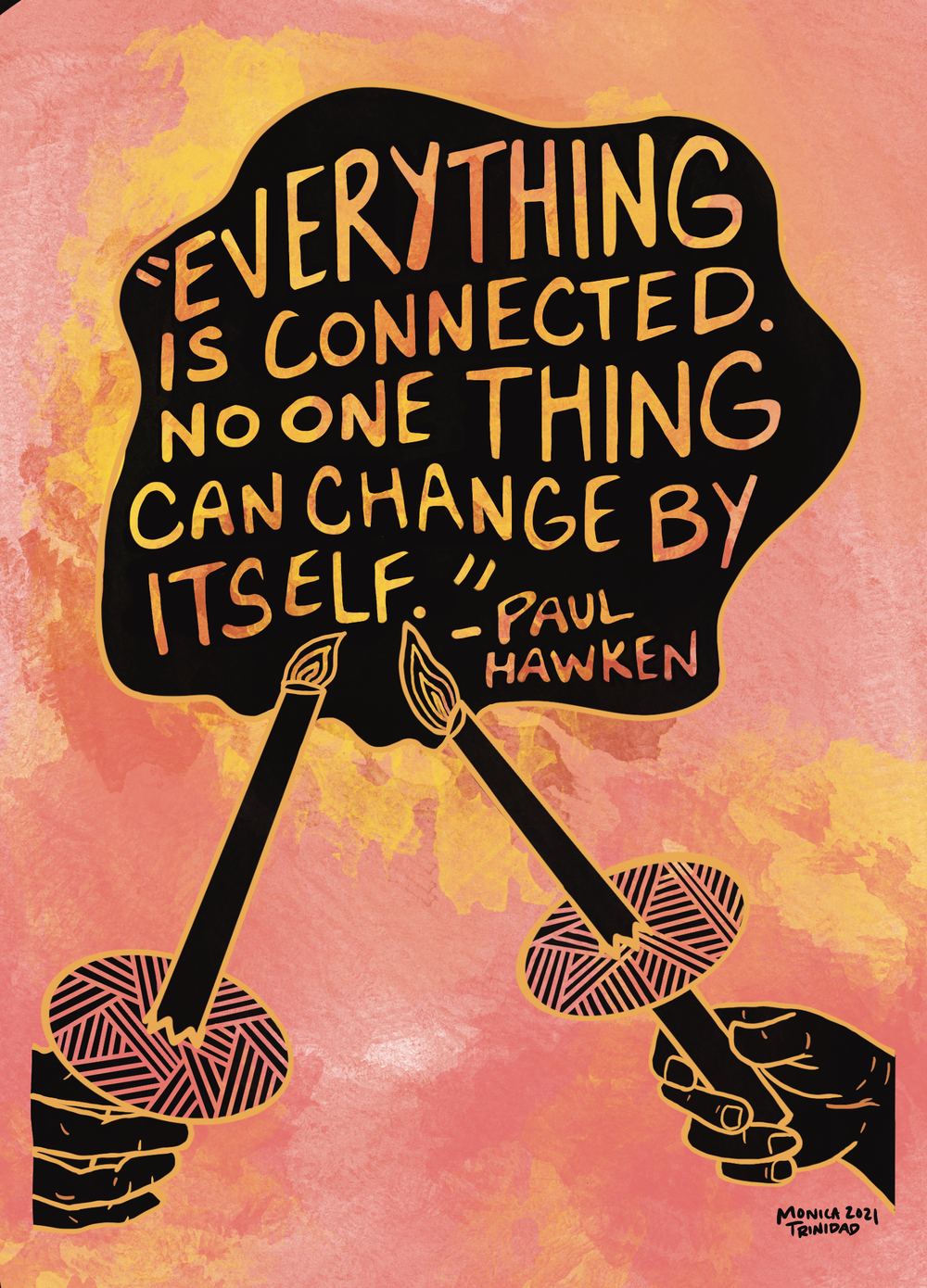

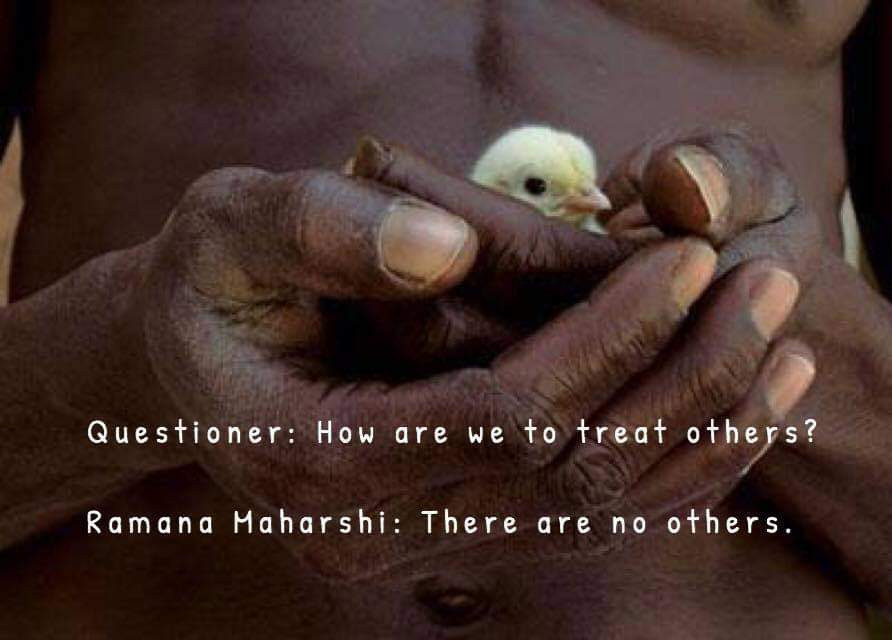
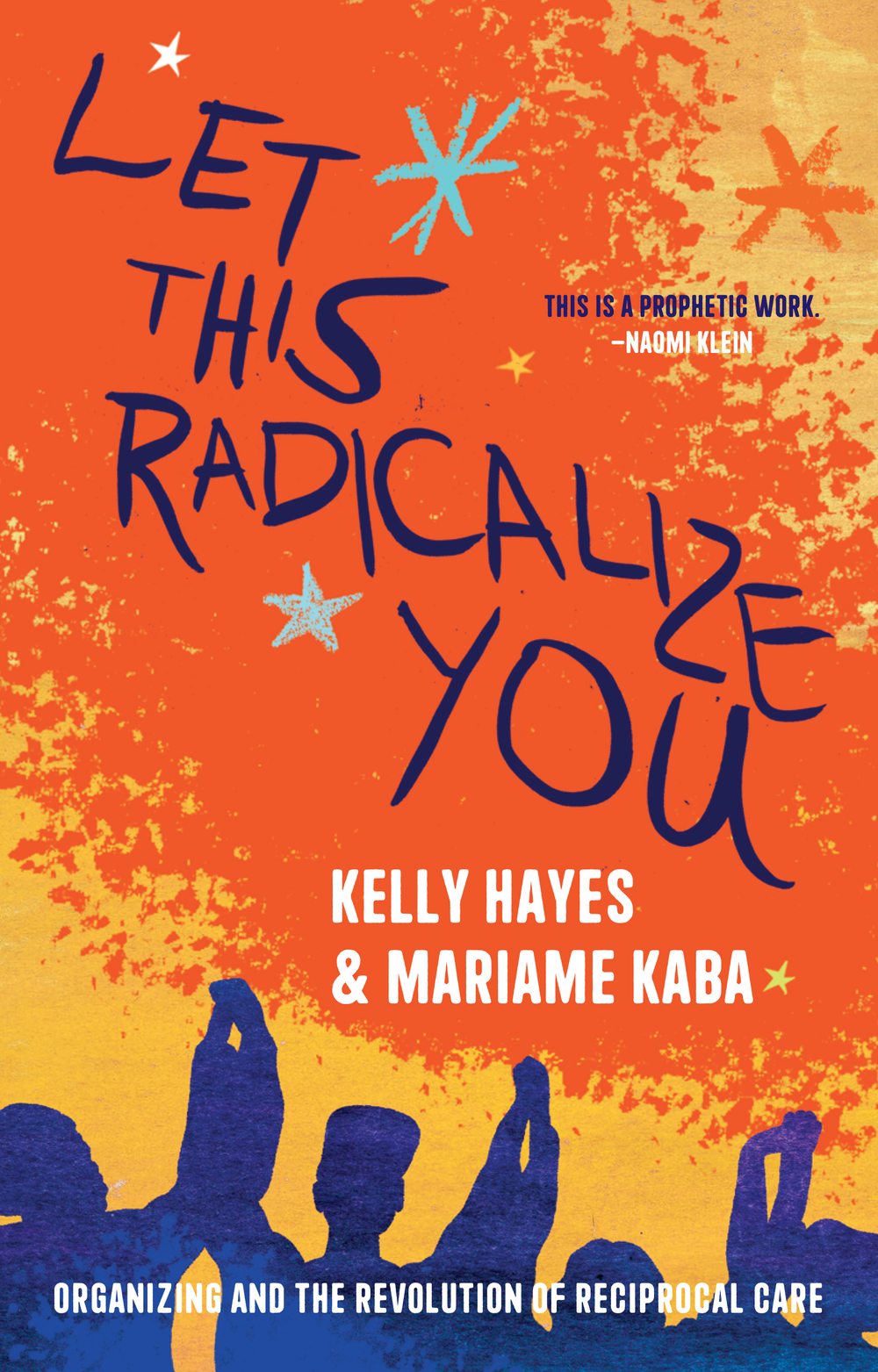


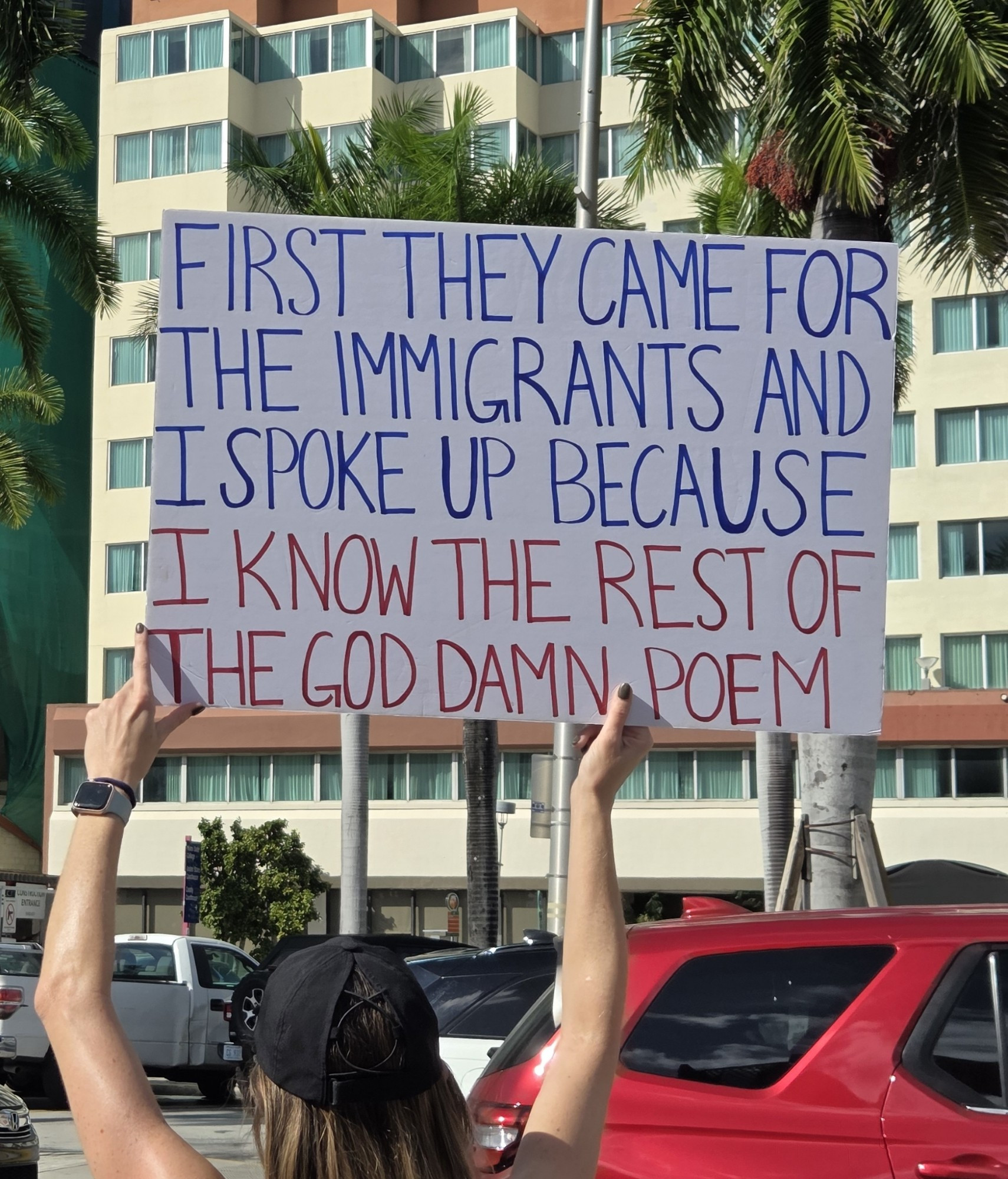
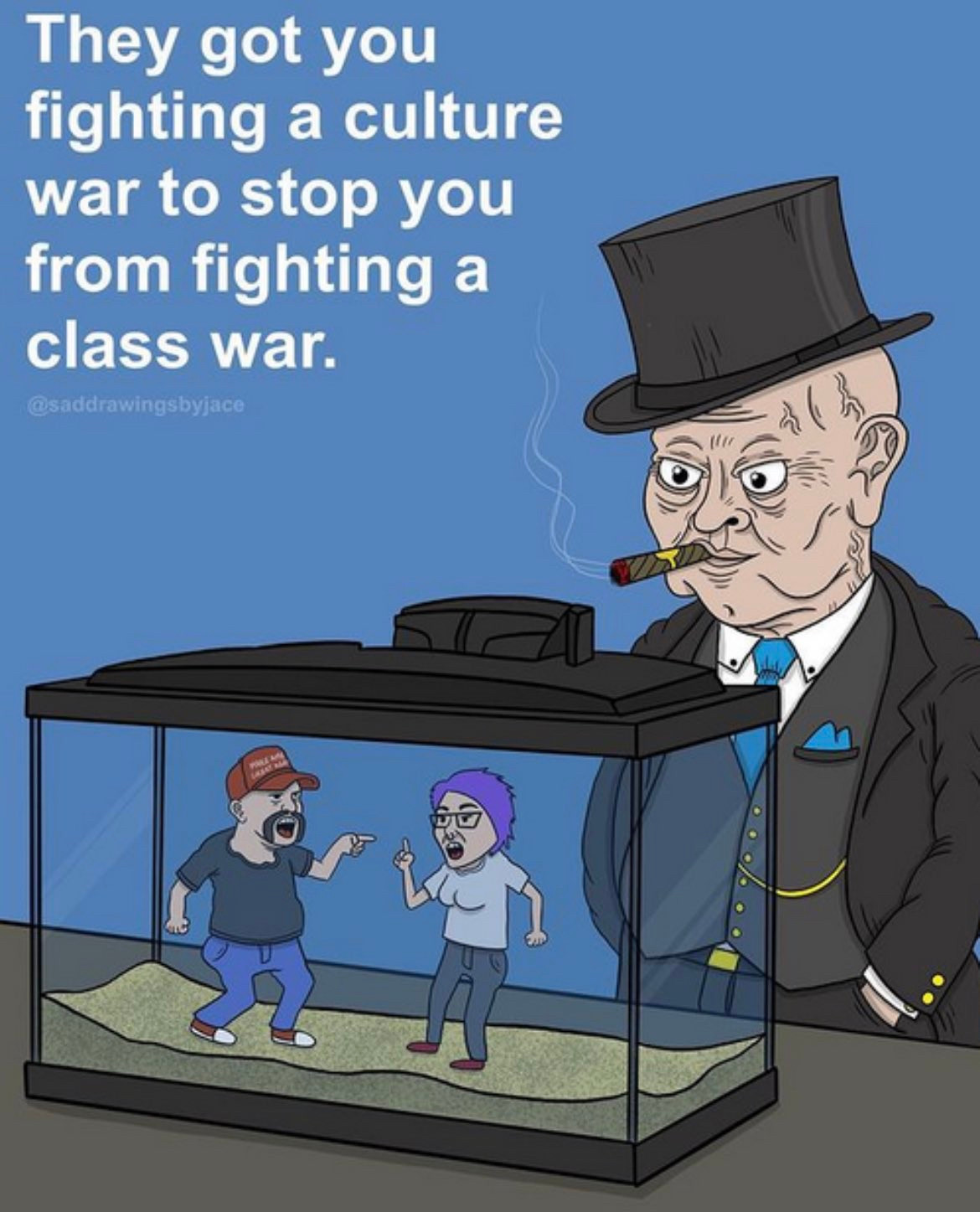
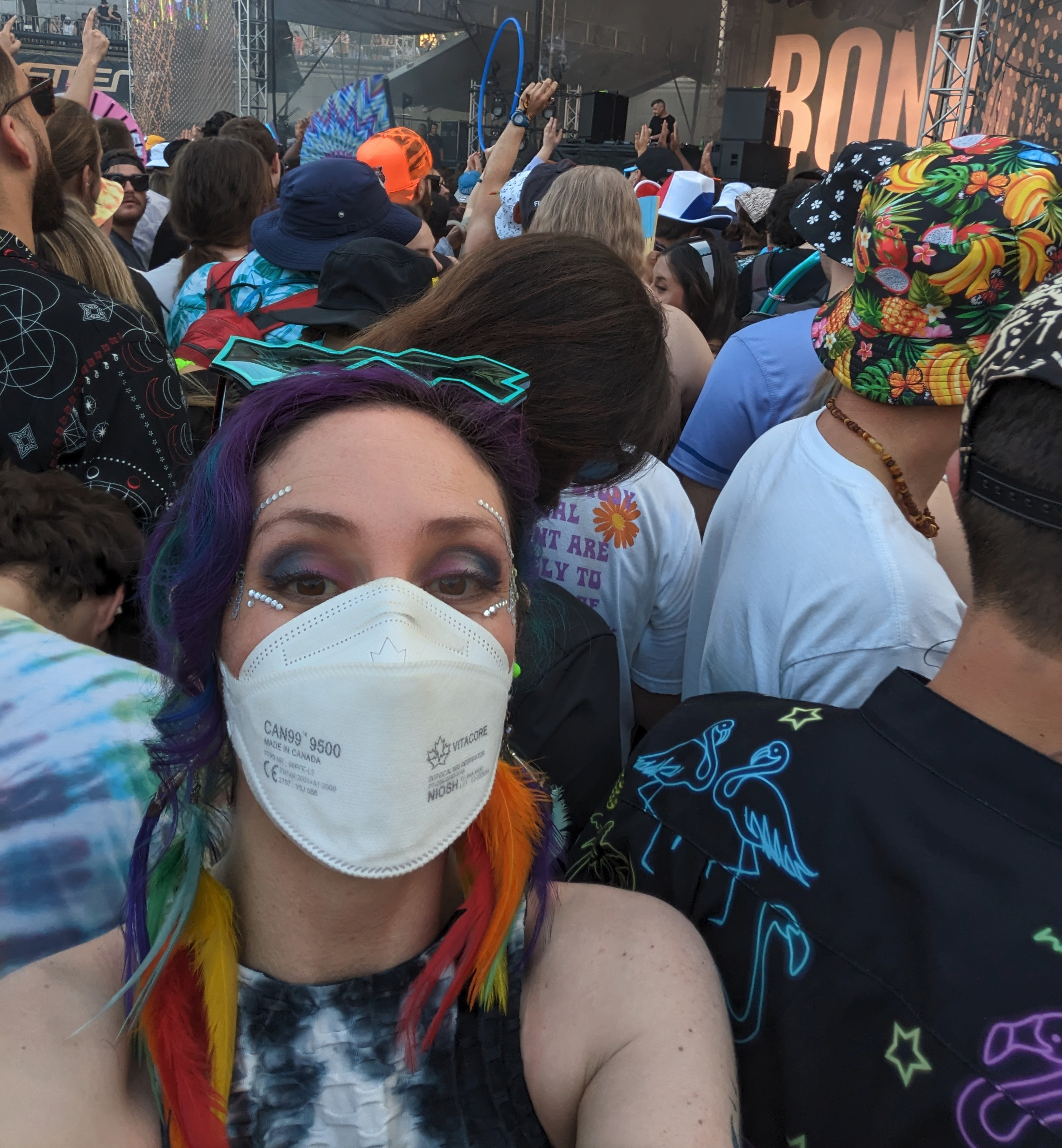
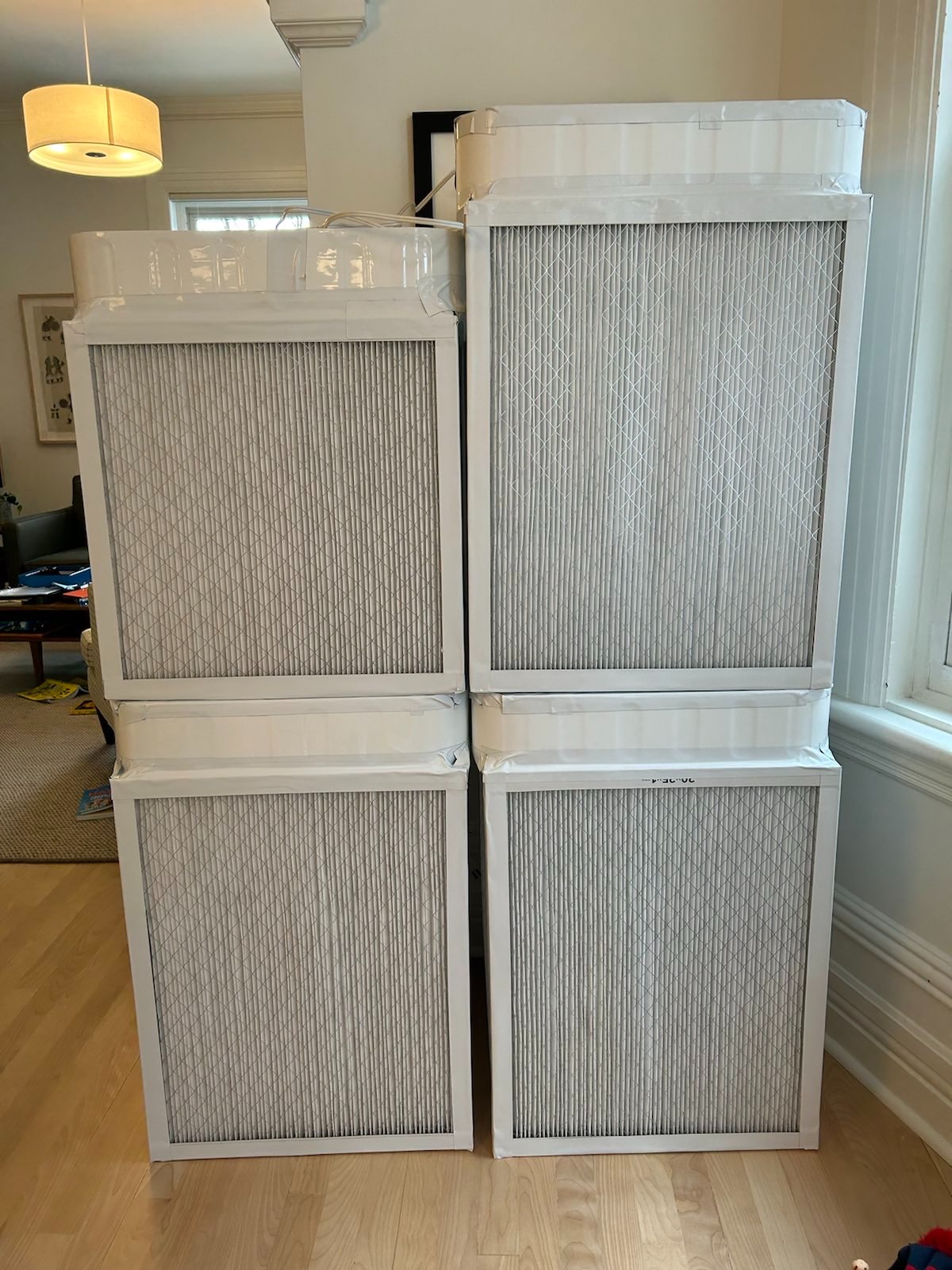





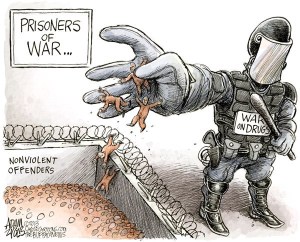

 They’ve been primed by The Wire and articles about MAPS research and (at least for the young ones) their own experiences with MDMA and weed not living up to the propaganda telling them ‘one toke and you’ll die.’ OxyContin has shown that legal drugs can addict and kill, and fentanyl has shown that illegal drugs’ purity is at the mercy of the unregulated black market. Overdoses kill more people than car crashes now in North America. Over a thousand people died of opiate overdoses in Vancouver last year alone. Shit is getting real, and drug prohibition is not helping. It’s at the heart of almost all of the problems.
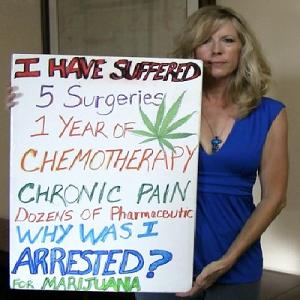
 Dr. Hilary Agro, PhD