“They should know better.”
Well, they don’t. What now, beloved?
I see a lot of rhetoric these days about how certain people in certain political cults–oh, you know the ones–are beyond saving. This is often applied quite broadly, to anyone who has voted a certain way or espoused certain beliefs, even if they also hold other contradictory beliefs (which, like it or not, most people do). They’re lumped together—Trump voters, conservatives, MAGA people—and judgements are made about the lot of them with no room for complexity or exceptions. They are like this, they are like that, they won’t listen, they are bad people. They will never change.
When we say that people can’t change, that is not leftism. It implies only two viable approaches for what we then need to do about the situation: 1) a carceral approach, or 2) a doomerist approach. Because it essentially means either 1) we have to lock those people up (or worse) because they’re unfixable–ironically, the exact same authoritarian dehumanizing rhetoric “They” use about Us, except it’s fine because we’re good and correct. Or 2) there’s nothing we can do, and we should just give up. (Though it feels obvious to me that neither of these solutions are acceptable, a disturbing amount of people seem fine with the former, which is a whole other conversation.)
When we don’t make any space to allow for people to change and reintegrate into community, we are guaranteeing that they will choose the more viable option for their social survival, which is to continue on the fаscist path that they’re already on, surrounded by other people who are doing that shit, because humans require a social circle for survival. We are also playing right into the hands of capitalists when we do this, who fucking love it when we see each other as Democrats, Republicans, Liberals and Conservatives rather than as working class people. They’re roaring with laughter at us inside their skull-lined caverns full of gold coins, while we stand outside the castle yelling at each other instead of turning to face them.
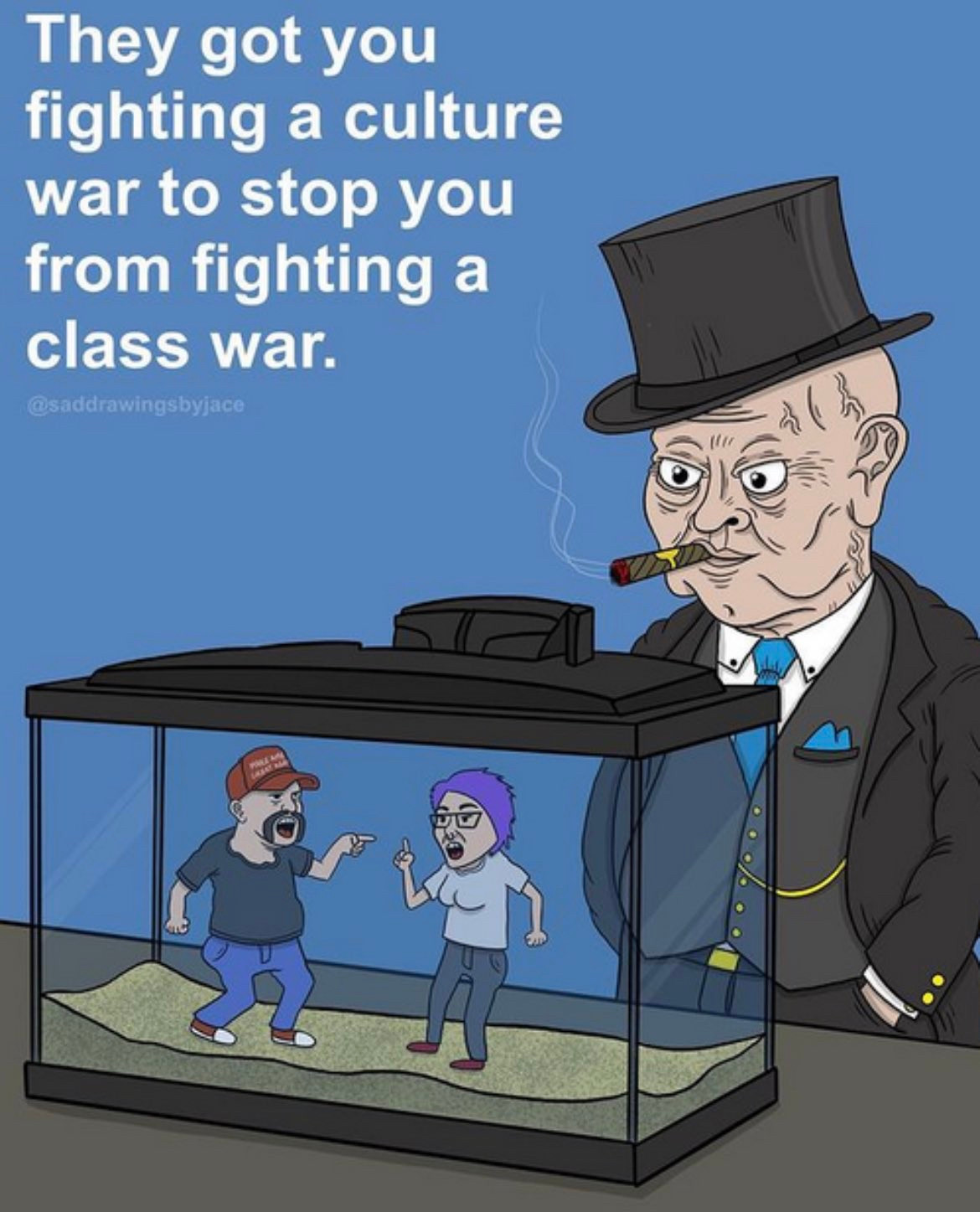
There’s a weird situation on the left where people believe a lifelong gang member can be reformed, but not a conservative. (It’s possible I’m overestimating how many people are abolitionists who even believe the first one, but I like to hope we’re further along than that.) The reality is that there’s plenty of evidence for both: people who have done harm or believed harmful things can and do change.
This is an essential subject to talk about, because we badly need information from those who escaped right wing cults so we can understand how they draw people in, and intervene in that process. We need stories of people who were raised conservative coming around to realize that they’ve been lied to. We need to practice talking to people who have contradictory, misguided, propagandized beliefs in order to build a viable working class movement. If you appreciate the political work of literally any person who is white or a man, you can thank the people who helped them deconstruct the beliefs and behaviours they grew up with. When we foster an environment in which people are shamed and shunned for being honest about their deprogramming journey, we are depriving ourselves of an incredibly important resource.
It’s emotionally easier to believe that other people can’t change, because helping them feel supported enough to change is intense work and most of our limited experience with anything close to that work is arguing with family members, strangers online (who we know are often bots yet we still let them shape our beliefs about other people), and others who are seemingly irredeemably stubborn. And boy do we all know how much that stuff sucks! But it’s also exhausting partly because we’re using the wrong tools for the job. We’re arguing and cajoling and shaming instead of connecting, and fostering the supportive and caring conditions under which change, which has to happen from within and without external coercion, can occur.
We’re also wildly under-resourced (I’m as tired as you are, beloveds), and that’s been done to us on purpose: centuries of domination, forced competition, and trauma; our traditional lifeways and practices stolen and co-opted and beaten out of us. But we still want to try, because we’re desperate and we know something has to be done. So we use the tools we were given by the same shitty society we’re trying to change: shame, judgement, berating, dominance, arguing, dehumanization, bad faith interpretations. We don’t first put the work in to build a trusting, mutually respectful relationship. We don’t check to make sure the conditions under which we’re having a conversation are conducive to being heard. We don’t try to really understand where another person is coming from, see their pain and struggle, and meet them where they’re at. That’s an uphill battle when we’re so starved for recognition ourselves. It feels unfair to have to be the one to offer empathy first. So instead of trying to bridge the gap and connect, we non-consensually shove facts and logic at them, call them bad people, tell them they’re wrong and problematic, and vent our anger and disgust. We convince ourselves that that should work, because we’re exhausted and we want it to. Then we get mad at them when they’re repulsed or get defensive. They go back to the people they feel safe with, the people who don’t challenge them in any way and have politics that are ecocidal but who also make them feel accepted, validated and respected in more ways than we’re offering, and we throw up our hands and say “see? These people refuse to change!”
Everyone is just a 4-year-old who won’t wash their hands
Bear with me while I make a parallel here, I promise it’ll be worth it.
I’m an anthropologist with a PhD in the study of our species, and the sociopolitical, cultural and environmental conditions under which our behaviour is shaped. Despite my three degrees, becoming a parent has been the most revolutionary experience I’ve had in a lifetime of studying humans, because the instrument I’m learning with is not my intellect, but my body. Parenting as an anthropologist is like seeing into the Matrix: pretty much everything adults do that is annoying and dangerous is just a behaviour that wasn’t intervened in with empathy and care in childhood.
For example: my 4-year-old does not want to wash her hands. It is the hill she is determined to die on, every single day, and it’s not an optional part of life. I am absolutely sick of it. It feels like I’ve tried everything, and when I’m particularly exhausted after a long day, I can feel the generational trauma, those colonial, authoritarian demons within me, threatening to take over when I am tempted to just grab her hands and wash them for her while she screams. But force does not create healthy development. Just because the most frustrated parts of me think she should know better by now and thus has earned such forceful treatment, doesn’t make it so. Just because it would be easier for me if she simply did what I told her to do, doesn’t make that actually happen, nor does it make non-consensual force an effective solution. Just because there are some situations that justify force—like grabbing a kid before they walk into the road—does not give me permission to sneakily apply that logic to situations where my integrity knows better, just to assuage my guilt over taking the authoritarian shortcut and pretending I tried everything. The colonial demons are very clever, and so are we. We can justify anything. And we do, regularly. But our hearts know what’s actually right. A child’s screams mean something, and children’s bodily autonomy matters. Just like the screams of millions of prisoners—whose bodies we have collectively decided to lock in literal cages rather than reckon with the social conditions that made them do harm, the big carceral whoopsy we’re all avoiding—matter.
We spend a lot of time living in denial of reality because of how painful it is, which stops us from seeing things as they are, and working with them. This is wisdom that I’ve gained from plant medicines, abolitionist principles, and Buddhism, and it’s made me a better parent and a better organizer. Now, I strive to understand my 4-year-old’s aversion. She is probably tired and fed up from a day spent being told what to do at school. She has sensory sensitivities and the soap is slimy. She is wired for play and novelty, and washing your hands fifteen times a day sucks and is boring. She can’t even see the germs that mama seems so worried about. If I regulate enough and use compassion to try to understand where she’s coming from, it can lead to more effective solutions that are not only more values-aligned, they work better than force does. I can validate how she feels about the situation, and help meet both our needs by turning handwashing into a game, or a story where she’s sending all the germs home to their beds in the drainpipe. Do I want to make a goddamn game out of handwashing when it’s 9 pm and I just want her to go to bed? Fuck no. Is it still good practice to try, whenever I can? Yes! Because when I push myself to do things that are tiring but align with my values, all sorts of benefits arise that I otherwise am blocking myself from. It feels better in my soul. I’m connecting with my kid, I’m connecting with my own joy. I never regret at least trying. Just like I never regret treating others with compassion and trying different playful ways to connect—even people who see me as their enemy.
Most importantly, when we take the compassionate approach rather than the authoritarian one, we’re teaching an incredibly vital lesson, one that is essential to the entire project of liberation: we are teaching that life is about joy and connection, rather than fear and control.
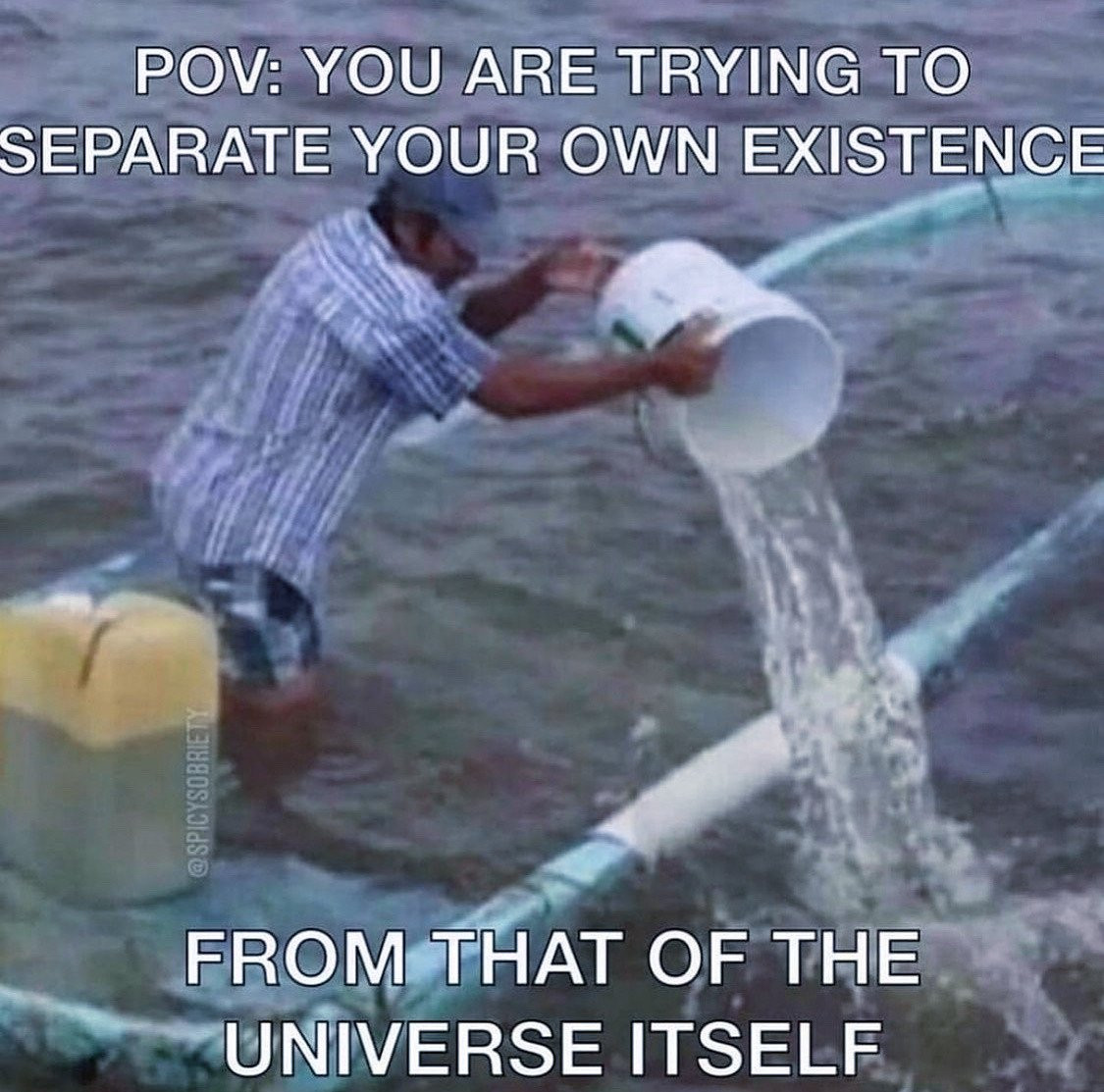
When we try using our same old tactics to affect others—tactics that we learned from the very society that made us miserable in the first place —and fail, and decide that they must be unfixable, we are depriving ourselves of an opportunity to learn from the situation and better hone the most important tool of all: determining how much of our energy to spend, and when. It takes practice to determine who is genuinely too far gone to be worth much energy vs. who can be brought home to us here on team Everyone Is Human And Deserves To Live, and focus on the latter group (which is far larger than many of us want to admit). When we never practice, we end up with a self-fulfilling prophesy of “nothing can be done,” retreating further and further into the safety of only engaging with people we deem to be Good who have our exact same politics. Which leaves everyone else—all the imperfect, lost, confused, lonely, well-meaning people who’ve been heavily propagandized and raised in a dysfunctional, racist and capitalist society—wide open to being scooped up by the people who are willing to or are paid to scoop them up.
It’s not working, fam. I want liberation and I’m willing to humble myself and try any tactic. I don’t want to look my kids in the eye as the ecosystem collapses and say “sorry, I was going to do everything I could but emotionally regulating myself enough to have frustrating conversations and choosing where to spend my energy wisely was too far.”
Labels: Good for canned soup, bad for people
One of the problems, and it’s one I am complicit in, is that rather than focusing on fаscіst dogwhistles or racist microaggressions or sexist tropes or people who voted for X politician—specific behaviours that people engage in—we frequently use labels like right-winger or racist or misogynist. People are always more complex than whatever label we give them. This entire project of rehumanization becomes much easier if we see our fellow working-class people as people rather than as identities or labels, which carry with them all sorts of flattening baggage. Labels can be useful as shorthand, and I’m certainly not against calling the most obvious and dangerous cases what they are—I’m not here to ask you to not call JK Rowling a transphobe. But labels are inherently flattening and dehumanizing, and dependence on them is dangerous. We risk training ourselves to believe, through repetition, that the labels are reflective of objective reality, whereas reality is always more complex than any label can describe.
As always, by communicating all of this, I am not saying you personally have to do anything. You don’t have to personally fix your MAGA uncle or coddle Yahtzees. If that’s what you think I’m saying, then there’s a fundamental communication disconnect, so please just know that what’s most important to me is that you do whatever aligns with your values. What I am doing here is offering information and suggestions, based on my years of experience as an organizer as well as the PhD I did on this topic, to better inform and hone our tactics on the left. This is for people who are committed to movement-building praxis and are interested in challenging themselves. Building a working-class movement requires us to engage with people who have all sorts of weird and incongruous beliefs; any seasoned organizer can tell you this. 100% of the people we need to talk to in order to grow the movement do not yet have a clear grasp of liberationist politics. Most people are not hardcore white supremacists with a coherent worldview. They don’t realize that their weird misgivings about trans people or their reflexive defenses of Taylor Swift or their fierce loyalty to the Democrats or Liberals are a result of a colonial/capitalist project designed to turn them against their own interests. And personally, I don’t ever want to have so much confidence that I’m one of the Good and Correct ones that I support a system in which we have to lock the Bad and Wrong people up (or worse). The leopards will always come to eat our faces too.
So, what can we do about this situation we’re in?
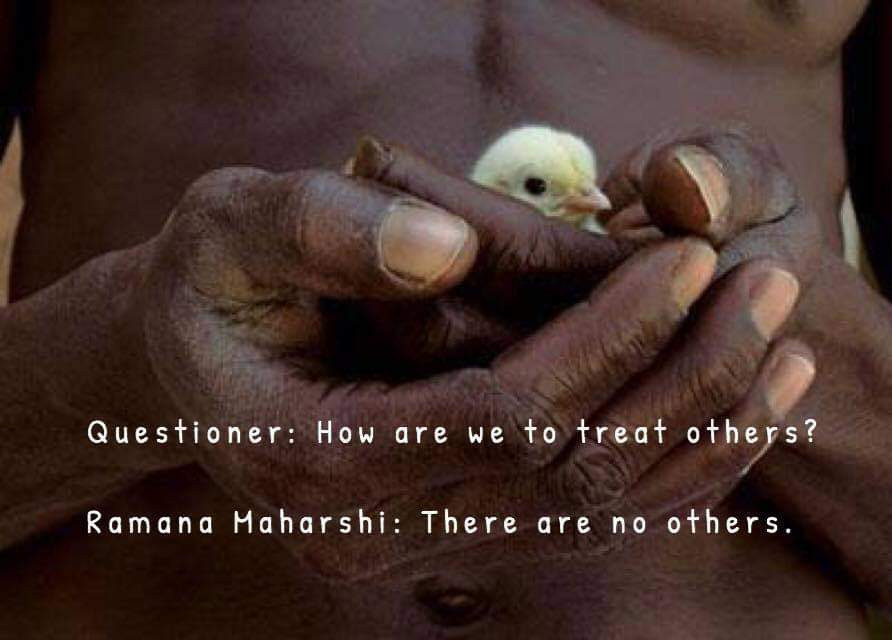
If you do feel ready to do this deep, difficult, rewarding work of movement-building without individualism and shaming, here are my suggestions. But first, I want to express my gratitude to you, because it’s really, really hard to push past the anger we’ve been trained to target at our fellow human beings enough to do this. Most people are not resourced enough for it. I struggle with it all the time!
Step one is to figure out which of your identities makes you best suited to talk to other people with that same identity. As much as it sucks, I have to accept that white people are more likely to listen to me than the Black and Indigenous people I have learned from, so I talk to them. It’s a responsibility, but also an opportunity. Men, talk to other men (I have a great video you can share with them). Straight people, talk to other heteros. Religious people, talk to others in your faith. Non-Indigenous people, talk to other settlers. Most of all, working class people, talk to each other about class issues! (Class is generally the most productive place to focus your efforts in my opinion, because it’s the great uniter, and the reason we were divided against each other by capitalists in the first place. But it has to be grounded in decolonization as well.)
Here are five resources I suggest to start with to build these communication and organizing skills. None are perfect, all are just tools in a toolbox. Pick whichever interests you, leave anything you don’t feel aligned with.
1) Nonviolent communication training: an incredible resource for learning how to talk to and connect with people using a non-authoritarian approach. (This is where I learned to identify how often people interpret suggestions and requests as demands, a quick way to see how unresolved trauma functions to hamstring our movements.) The intro training is free on Spotify.
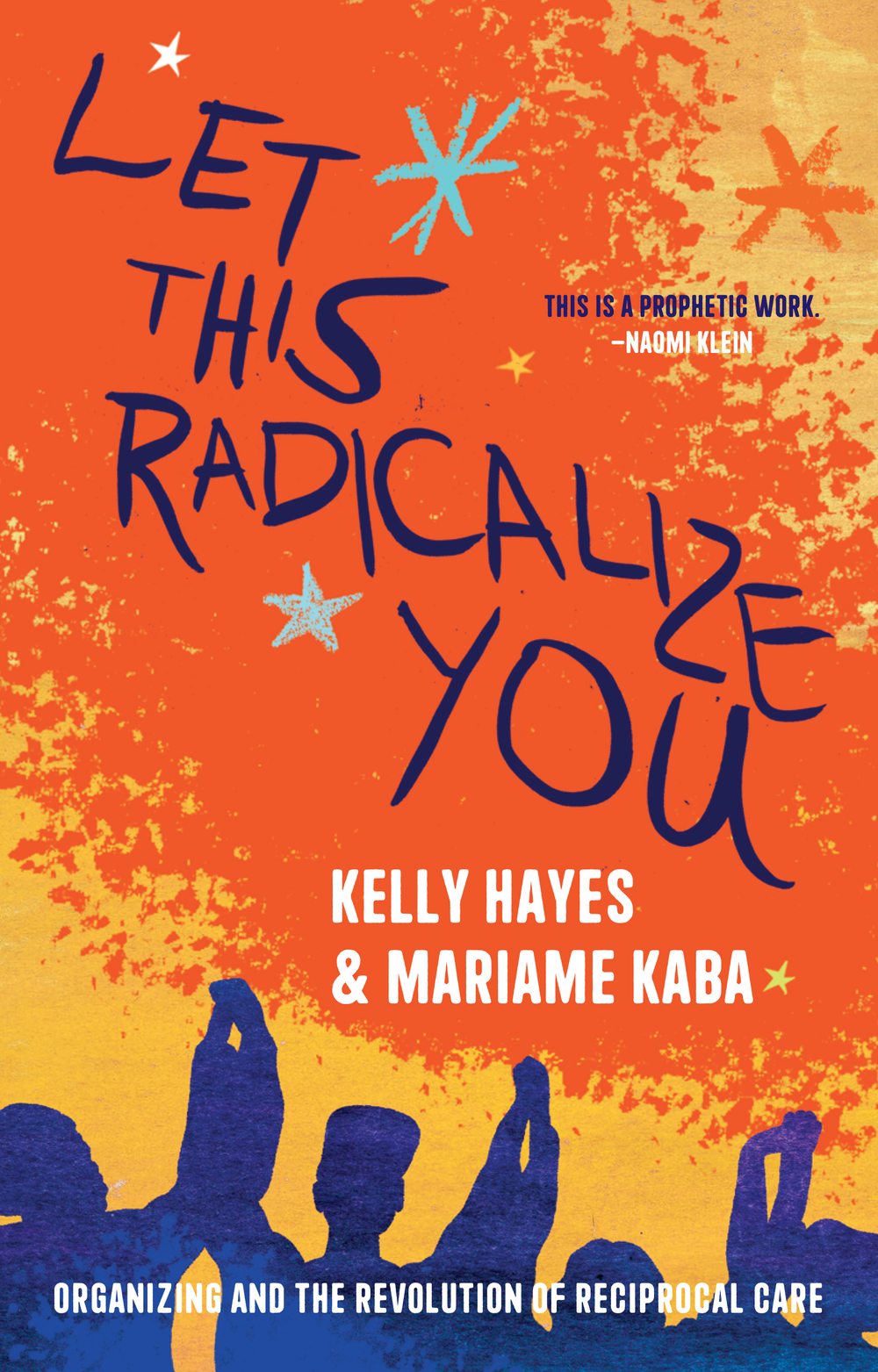
2) Let This Radicalize You by Kelly Hayes and Mariame Kaba: practical advice for organizing and activism, and how to make hope something that you build with others.
3) Maybe I’m cheating by calling this one a single resource, but it’s just too good! Interrupting Criminalization has got so much! Use it all, share it all! They are amazing!
4) Shaun does amazing work speaking to and about young white men from a critical but also humanizing perspective. Here’s another of his videos, and more resources I’ve compiled for fostering positive masculinity. I have also started making videos about this!
5) If you’re ready to go deeper and see how spirituality is an essential component to integrate in order to combat the appeal of fundamentalist cults, then listen to The Emerald podcast. “Oh Justice” is a relevant episode, but listen to any that pique your interest. My favourite is “Snail Juice.”
Be well, keep up the good work, rest and find joy. I love you, we’re all in this together.
I quit academia to educate without gatekeeping. I’ve compiled a ton of free resources here. If you REALLY want to get down and dirty with that decolonial life, join my Patreοn to get access to exclusive patrons-only writing and videos, including my PhD dissertation, which was embargoed by my university for being too politically spicy. If you’re on a healing journey, you can consult with me about psychedelic use.
If you appreciate this article, please share it with others! Here are three ways to say thank you, and support me doing more of it:
💲 Send me a straight-up cash tip if you’re baller like that
👧 Buy my kids supplies like toothpaste and sunscreen!
Dr. Hilary Agro is an anthropologist, community organizer and mother of two young children.
Zero percent of this was written with AI. No AI is used in any of Dr. Agro’s writing, ever.




































 Dr. Hilary Agro, PhD