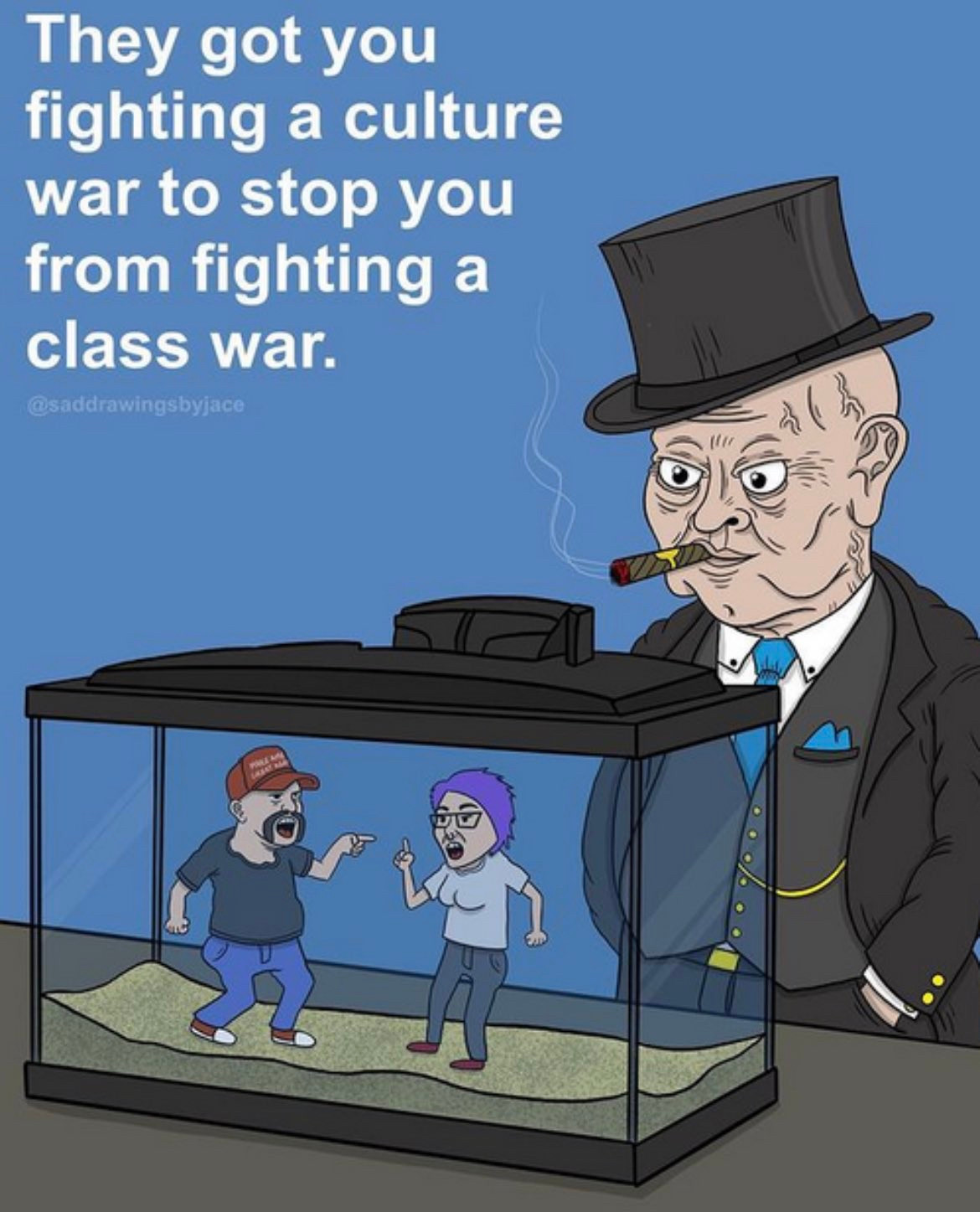
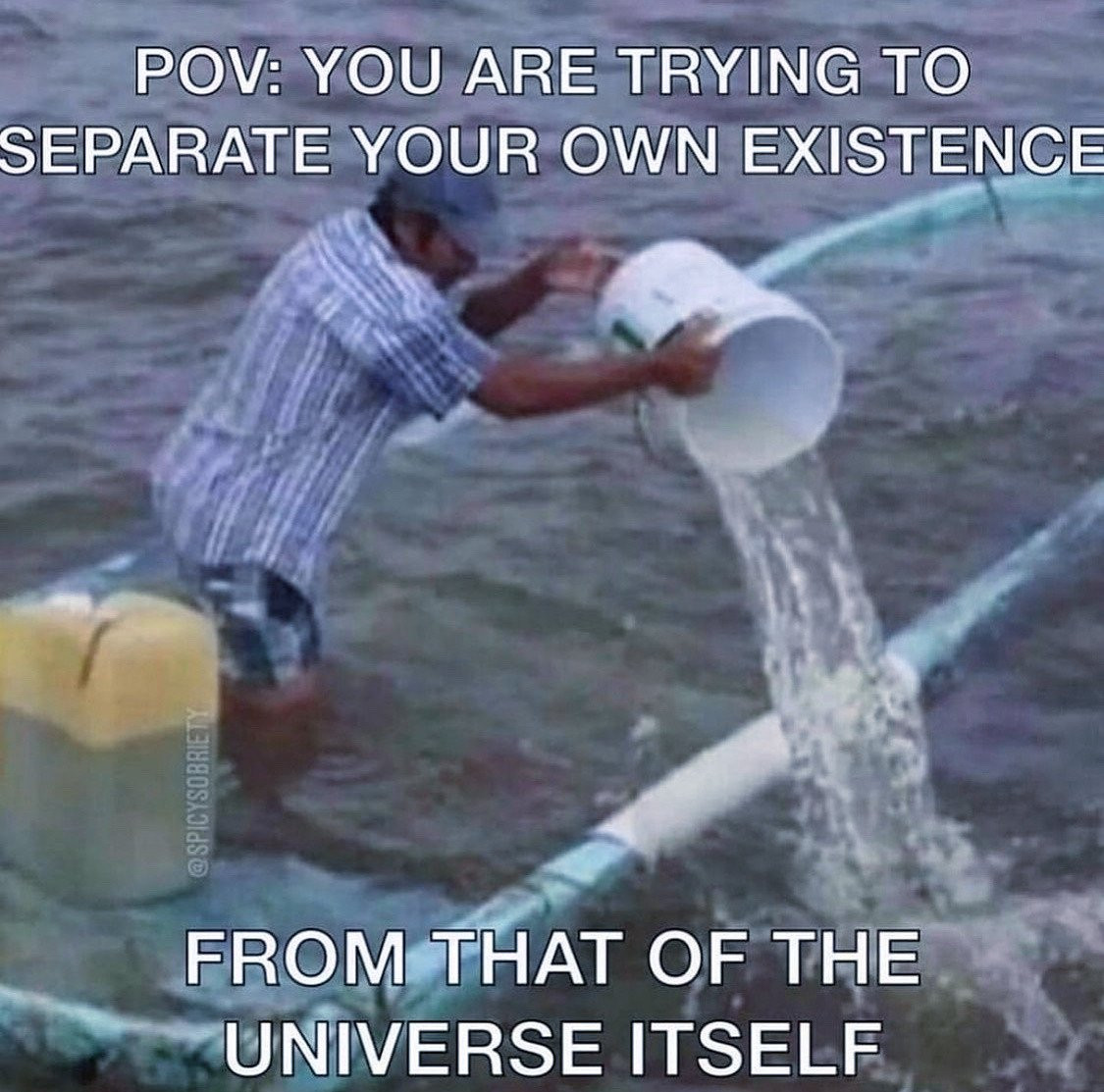
We cannot have a rational debate about technology.

Leftists, because on the whole we are mostly (and rightfully) not all that excited about AI as it exists today, are often accused of being luddites or of hating technology.* But no, I do like some technology. I’m not against it as a concept. We perfected textiles 4,000 years ago. Then we invented books, and vaccines, and those kick ass. But almost everything else has been based on environmental destruction and labour exploitation, “solving” “problems” that only exist because of colonialism.

So no, I don’t like the robots. Fight me. Or: try to understand me.

When we’re faced with these accusations, I sometimes see people say “hey, we love technology! We love high speed rail and mRNA vaccines!” And sure, we can take their bait and remain always on the defense, having conversations on their terms. But we also absolutely do not have to fall over ourselves saying that we love technological progress. The onus is on the Tech Bros to explain to us why we should be excited about new technology while there are microplastics in every mother’s breast milk and our rivers are drying up. And that’s what we should be hammering home in all of these conversations. Colonizers answer the question of “what are you going to do with this mass produced product when its usable lifespan is up to ensure it doesn’t poison our children’s environment” challenge, difficulty level: impossible.

However, this is a wedge subject that I don’t think leftists are having enough hard conversations about. I have close friends for whom so much of their comfort, even their creativity, is based in electronic tech that some don’t really seem able to take a sincere, hard look at the environmental and social consequences of a screen-based society at scale, or at what it might be doing to us to let our joy be mediated by products we’re being sold.

Adding even more discomfort to the situation, this issue connects directly with the other two major wedge issues that are deeply unresolved on the left, which are:

  1. Land back: The return of all land to indigenous stewardship.
  2. Child liberation: The prioritization of the well-being of children, those living now and those to come, in every aspect of society and our daily lives.

I for one, do not find it acceptable that in Canada we churn through plastic at an appalling rate because we’re too exhausted and depressed to cook or sew, and then we send our garbage to choke the air and waters of children in Malaysia. I do not like that.

I don’t think that children in Vietnam deserve to bear the cost of the addiction to immediate gratification that we’ve been given as a trickle-down result of our overlords’ addiction to power and domination.

I don’t think it’s acceptable that we want new gaming systems, so they get poisoned.

Whenever I’m speaking with a tech-optimist liberal or leftist who is suggesting solutions that require the maintenance of, or expansion of, personal devices or computer-based infrastructure (e.g., a new game that teaches people about empathy, or an app that helps people find better housing, or any pro-social use of AI), I cautiously ask some version of these questions: “If your solution requires more technology to be manufactured, what should we do with it when it breaks, to ensure it doesn’t poison the environment? Can we focus on building the recycling infrastructure first to handle more production, before we make new stuff? Whose lands will be mined for the resources? Whose water will be used?”

When I try to talk about this, some people shut down. They downplay and dismiss, and use thought-terminating cliches like “well we can’t just go back to living in caves.” And I don’t even blame them for not wanting to think about it. Disconnected as we are from the earth, from each other, from ritual and song and tradition and children and elders, we have so little that makes us happy. Capitalism gave us little emotion-regulation boxes made by slaves and we were in too much generational pain to think about the consequences of outsourcing our emotional stability to the slave boxes, so now the thought of losing our phones causes more distress in our bodies than a tree being cut down in our neighbourhood or a shipment of electronic waste heading for Indonesia. And as AI companies offer yet another “solution” to our collective alienation—don’t worry about why it’s so difficult to find someone who understands you, just become dependent on the robot, it’ll always be nice to you!—we are too ungrounded from the earth to see that AI is not revolutionary, it’s not a game changer, it’s just more of the same transmutation of the earth’s resources into dissociation from centuries of colonial trauma. We are collectively making out with a gun to feel better. We are being sold more poison as a cure for the poison.

This is why all my organizing work comes back to healing. We are too traumatized to be in real solidarity with the global south. We cannot actually have rational debates about technology, because our ability to reason is compromised by the fantasy world we live in where the material consequences of our actions don’t exist where we don’t see them. We need to fix our inner shit for those conversations to even be possible. I simply don’t really trust any opinion about the value of technological “progress” that comes from someone addicted to the fruits of capitalist technological progress, any more than I trust a billionaire’s opinion about money or a gambler’s opinion about casinos. If you can’t imagine life without your computer, then you’d better start imagining life where electronics are not produced through exploitation and Congo has complete sovereignty over their mineral production, so we can bring that world into reality.**

As it stands, as long as we’re still clinging to mass-produced trinkets for our sense of stability, we will prioritize those coping mechanisms over the well-being of the world’s children. As long as we rely on screens rather than on forests and sunsets to soothe us, we will fight to defend the screens, not the forests. Whatever you get your comfort from, that is what you will fight to defend.
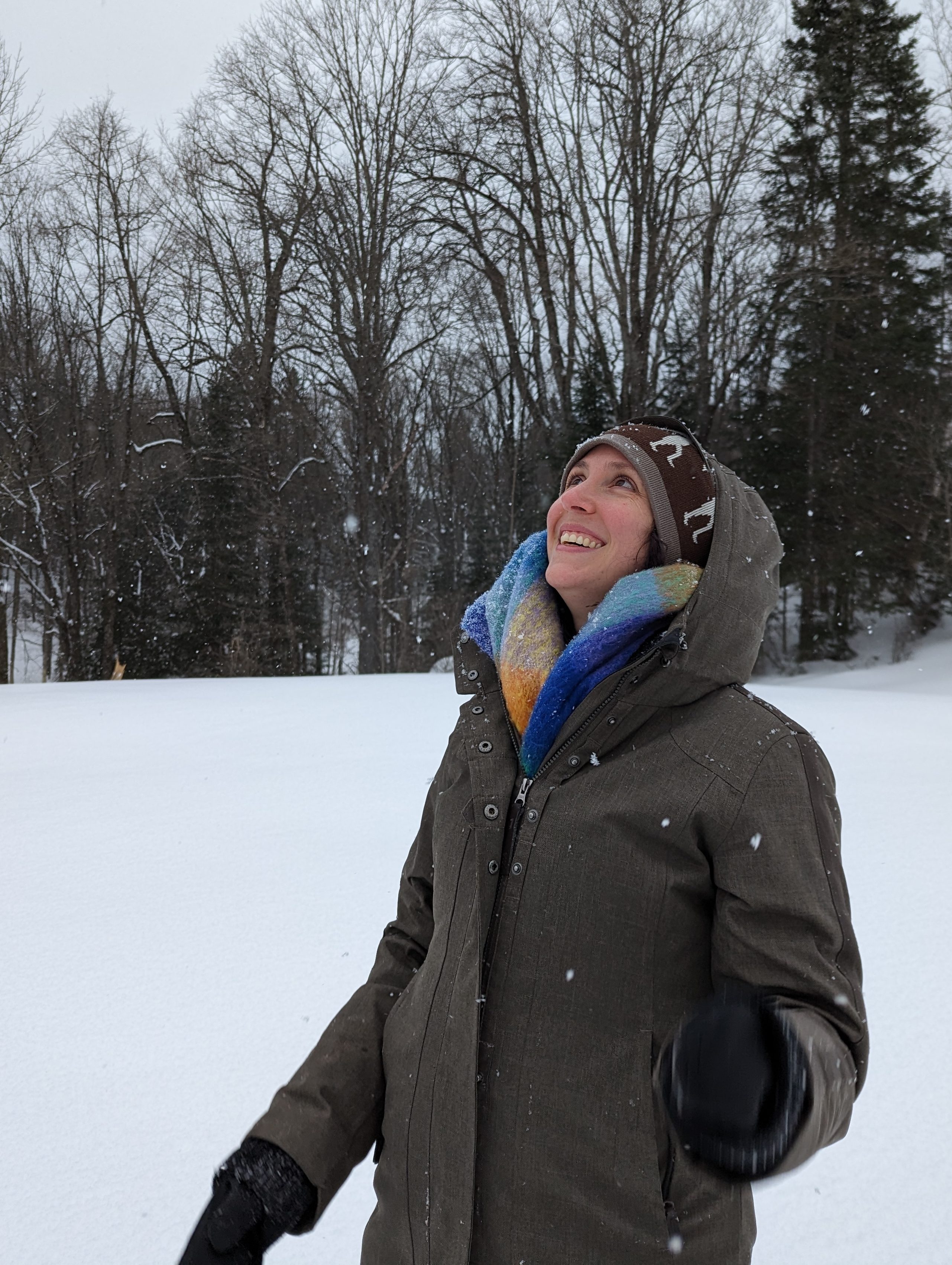
If AI is your friend and therapist, maintaining that “relationship” is what you are going to centre in these struggles. If screens are our ultimate solace, we’ll let the forests burn. We’re doing it right now. The machine is churning to feed us.

We have got to divest from these poisoned crutches, beloveds. I am included in this as well. It’s been my primary motivation and compass for generational healing over the last decade: to root my sense of self, the groundedness and love and compassion that all my activism and caregiving come from, within nature, the elements, and nature-based spirituality. Nature, the source that unites us all as living creatures on this earth, is the only thing that’s always there for us. Nature will not break up with you, nature will not call the cops on you. Nature will not leave you without entertainment when the wifi isn’t working, she will never lie to or gaslight or manipulate you. Mother Earth is pissed right now, but she will never abandon us, and she will not die before we do. She will be alive as long as you are, because your life depends on hers. She is the only truly safe attachment, the only comfort that is always, always there for us. Those of us who are settlers and immigrants and renters and workers have had our connection to the Earth, our secure attachment, severed, and we’ve been doing a Domination about it for centuries: suffering and looting and pillaging and fighting, trying to fill the void in our hearts that started with internal European colonization and separation from the animist spirituality and philosophies of our ancestors (the ones that lived sustainably with their environment, not the later ones that burned each other at the stake for saying the exact same things I’m saying right now. I know that much of what I’ve said here is probably deeply uncomfortable, so thanks for engaging with it instead of sending an inquisition after me, babes).

We can’t wait for revolution—or god forbid, corporations—to provide us with sustainable comforts. They exist right now, in nature and in our communities: song circles and mediation groups and forests and playgrounds and plant medicines and festivals and community gardens. The revolution we crave will not come until we reconnect with those basics of human flourishing, and with ourselves.

Be well, keep up the good work, rest and find joy. I love you, we’re all in this together.

I quit academia to educate without gatekeeping. I’ve compiled a ton of free resources here. If you REALLY want to get down and dirty with that decolonial life, join my Patreοn to get access to exclusive patrons-only writing and videos, including my PhD dissertation, which was embargoed by my university for being too politically spicy. If you’re on a healing journey, you can consult with me about psychedelic use.

If you appreciate this article, please share it with others! This topic is deeply important but it makes people very uncomfortable, so it never gets as much reach as my more palatable “screw billionaires” stuff. But we need to talk about it.

Here are three ways to say thank you, and support this work:

❤️ Join my Patreon 

💲 Send me a straight-up cash tip if you’re baller like that

👧 Buy my kids supplies like toothpaste and sunscreen!

Dr. Hilary Agro is an anthropologist, community organizer and mother of two young munchkins who are currently both obsessed with fart jokes.

*In this article I am not going to give in to the temptation to do an Academia and focus on the definition(s) of technology (which is about as hard to define concretely as art), and how we in the global north tend to conflate “technology” with “electronics” when it actually means, anthropologically speaking, the application of conceptual knowledge to achieve practical goals, and the tools, instruments, machines, systems, processes, and environments developed by humans to accomplish tasks, which means that shoes and forks are as much technology as the Large Hadron Collider. I find that to be a fascinating subject, especially as someone who has developed a recent interest in textiles as technology and art and the ways textiles have been devalued due to their association with feminized labour. But I have to pick up my kids in a few hours and I cannot make this article my whole-ass day. Resist, I tell myself. Stay on target.

**If anyone has come across writing from a decolonial, non-anthropocentric, Indigenous-centered worldview about how solving “problems” (using this term loosely because most of the problems modern tech purports to solve are not real and/or are actually structural things like us not having enough time or enough emotional and healing support) with plastic and electronic tech is actually fine, please link it to me. I don’t see many leftist tech nerds fighting for, or even really talking about, divesting from our reliance on electronics, or creating a movement towards local electronics recycling and manufacturing, or any other solution that would mitigate the massive environmental concerns while letting us keep our screens. But I have to optimistically assume I’m just not exposed to it. I know the tech nerds don’t like my solution (rapidly phase out the use of all plastics and electronics that aren’t 100% sustainable and 90% locally produced), so let’s go comrades, what are yours?

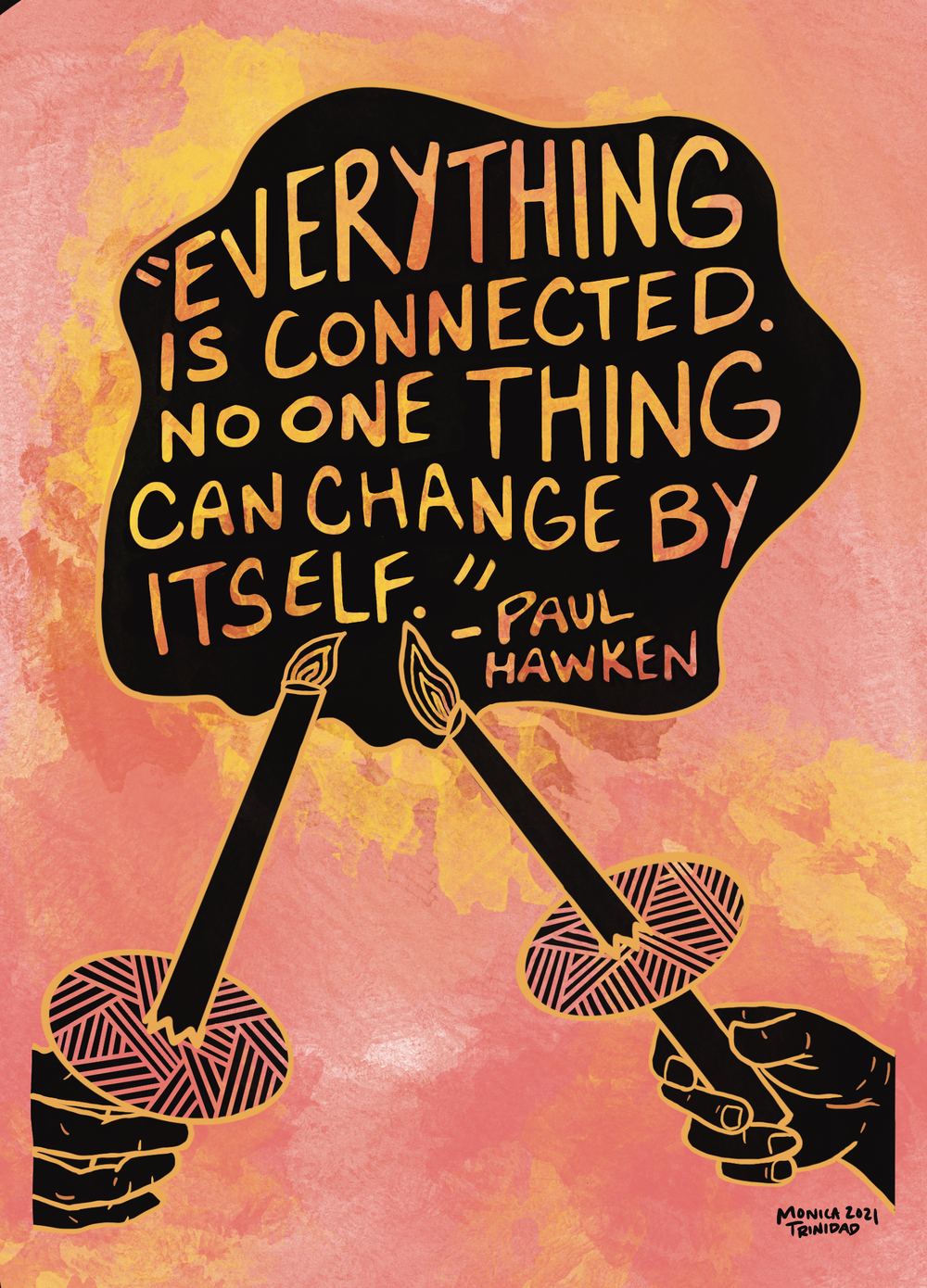
Men are not trash.

Men are not trash. Perpetuating that narrative helps normalize rape culture by making it seem like it’s just inherent to their nature. It’s not, and we’ve gotta stop saying it.

I know why a lot of women and enbies say this, and I share their frustration, rage and pain. And yet, we still have to contend with the situation if we want to fix it: men are full human beings deserving of care and understanding, even the ones who do the most harm. The social system of patriarchal masculinity is what’s trash, and it hurts men too. But thankfully, systems made by humans can always be unmade. We can change anything that we collectively want to change.

If you’re a women or non-binary person and what I’ve said so far is creating a response in your body that feels really bad—if you feel defensive or angry thoughts bubbling to the surface—I invite you to read something else that makes you feel powerful and uplifted instead. I write from an abolitionist perspective focused on collective liberation, and it’s not my intention to fuel more disconnection. But I also have enough respect for the fellow working-class people I am writing for that I have a commitment to communicating from an honest place, even when I know it cannot be received by everyone at all times. Anyone who feels mostly okay, or who is up for a bit of challenge, a bit of stretching: please read on.

Humans are all born prosocial creatures, it’s how we’re wired to survive. We are primates who live in groups because we die if we’re on our own. We are literally not biologically equipped for individualism. That means that every member of our species, Homo sapiens, is born with instincts that guide them towards relationality as a core survival mode. We need other people, and we need a healthy environment to provide us with water, air, food and shelter. Acknowledging our place in this ecosystem is the core of relationality.

It takes a lot to program a human to hate, fear and dominate others, but several thousand years of internal and then external European colonization managed to do it, and now children in the settler colonies of North America on Turtle Island are raised with experiences that enforce those unnatural values on them from day one: blind obedience to authority, chronically ignoring our bodies, strict gender role enforcement. We are told, over and over, to ignore the signs our bodies are telling us in favour of external control: get up, eat what you’re given, sit still, listen, don’t whine, don’t cry, stop running so much, stop laughing so loud, don’t play with that, go to bed right now. You’re tired when it’s time to wake up? Too bad. You’re energetic when it’s time for bed? Too bad. You’re hungry or sad at the wrong time? The adults around you are too stressed to have space for that. And they are genuinely doing the absolute best that they can with the limited financial and/or emotional resources that they have.

“Men,” as in the flesh-and-blood human beings that are our brothers in the world, are not the problem. I will keep saying this until my dying breath, because we will not fix these problems until we start seeing them as systemic more than individual. If we change the system, and reconnect to ourselves and others, men—and all of us—will heal.

Our ancestors knew that systems were the danger, and knew the power and potential that humans have to harm and destroy, and had many different cultural strategies in place for managing it (many of which are explored in the excellent podcast The Emerald). Colonialism replaced collective ritual with authoritarian religions, schools, money, screens. There is a reason men are not okay.

I work with people to help them set up solo psychedelic healing journeys, and my clients are mostly men. It’s so jarring coming from sessions where men are pouring their hearts out, working so hard to heal for the sake of themselves and their loved ones, and then go online and see the discourse just dump shit all over them.

Generational trauma runs very, very deep. Things have been awry for a long time. We subject boys, literal children, to the most unimaginably dehumanizing conditions at a massive cultural scale in the imperial core, and then we participate in the same dehumanizing dynamics that are hurting us all by calling them pieces of shit for not fighting off structural forces when they were 7.

Men can and do heal, including men who’ve done severe harm. The rest of us (who all, in the imperial core, participate in harmful systems) can as well, and when we do, all of this becomes easier. It feels so much better in my body to practice loving everyone than it did to selectively fear, resent and hate people. It makes me a better organizer, a better teacher, a better parent, a better friend.

Decolonial animist spirituality, for the brave

Here, I am compelled to nudge us towards rediscovering the animist worldviews of our European (and African, and Asian) ancestors, and of almost all Indigenous cultures throughout history and still today. I don’t talk about this as much as I want to, especially considering how profoundly it’s changed my own well-being for the better, because I know a lot of people aren’t ready for it. But it is the missing piece that allows for a more holistic embrace of systems thinking at the level of the body, not just the mind.

Humans are fundamentally pro-social, but our actions and potential are shaped by spiritual forces (or systems if you’re nasty*). Once you understand this, it becomes much easier to blame the forces that are feeding off our disconnection and hatred, rather than individual humans, or lumped-together groups of people like men, themselves. (Important side note: you can absolutely view this as a metaphor if the idea of spirits makes you uncomfortable. I encourage you to free yourself from the objectivist trap of focusing on the materialist scientific “truth” of this worldview, and instead think about it as a framework through which to view social dynamics. I come from a deeply skeptical, evidence-based mindset, and animism is just as compatible with that as other philosophical frameworks, such as Marxist theory or feminism, that rely on material evidence but are not testable and universally replicable using the scientific method. The scientific method is an essential tool for many problems, but it is limited in its scope, and it cannot be the only tool in our collective toolbox. In sum, I use sage and have an altar, and I am also abundantly vaccinated.)

I will expand on decolonial animist spirituality in future writing and videos, but all I’ll say for now is: When you have 200,000+ years of our ancestors thriving and saying “this is how the world works and these are the things that must be done to ensure the well-being of our people and all living beings,” how are you gonna say “no actually, YOU’RE the ignorant morons” with a straight face as our environment collapses around us and everyone is miserable?

“All beings have an innate spiritual aliveness that connects us? Haha, no, I think me as a white lady from the most fucked up society that’s ever existed knows more than you, thank you very much.” – Me before plant medicines and serious engagement with Indigenous philosophy humbled my colonized ass.

Before I keep going, I just want to encourage you to share this article with someone else if it has felt insightful (maybe even keep it handy for the next time you see someone call men trash), because I’m an independent educator who lives at the whim of billionaire-funded algorithms and it’s hard to break through that shit, okay thank you I love you, on we go.

What to do?

So, what can we do about this situation we’re in?

If you do feel ready to do this deep, difficult, rewarding work of movement-building without individualism and shaming, here are my suggestions. But first, I want to express my gratitude to you, because it’s really, really hard to push past the anger we’ve been trained to target at our fellow human beings enough to do this. Most people are not resourced enough for it. I struggle with it all the time!

Step one is to figure out which of your identities makes you best suited to talk to other people with that same identity. As much as it sucks, I have to accept that white people are more likely to listen to me than the Black and Indigenous people I have learned from, so I talk to them. It’s a responsibility, but also an opportunity. Men, talk to other men. Straight people, talk to other heteros. Religious people, talk to others in your faith. Non-Indigenous people, talk to other settlers. Most of all, working class people, talk to each other about class issues! (Class is generally the most productive place to focus your efforts in my opinion, because it’s the great uniter, and the reason we were divided against each other by capitalists in the first place. But it has to be grounded in decolonization as well.)

Encouraging men to start a men’s group, or starting one yourself, is a hugely beneficial thing to do. Make sure the stated and practiced values of the group are decolonial, feminist and anti-oppressive.

Here are five resources I suggest to start with to build these communication and organizing skills. None are perfect, all are just tools in a toolbox. Pick whichever interests you, leave anything you don’t feel aligned with.

1) Nonviolent communication training: an incredible resource for learning how to talk to and connect with people using a non-authoritarian approach. (This is where I learned to identify how often people interpret suggestions and requests as demands, a quick way to see how unresolved trauma functions to hamstring our movements.) The intro training is free on Spotify.

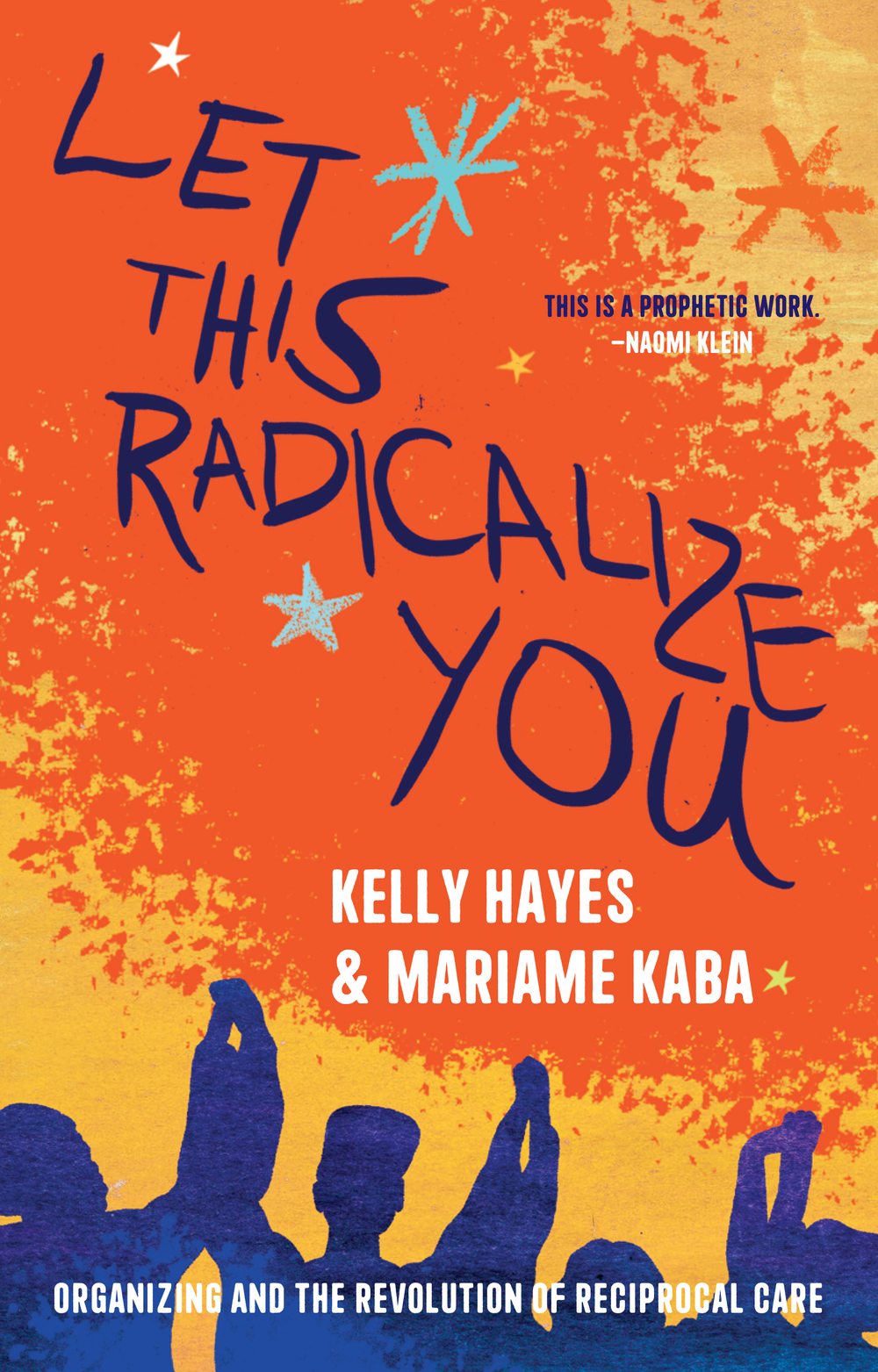
2) Let This Radicalize You by Kelly Hayes and Mariame Kaba: practical advice for organizing and activism, and how to make hope something that you build with others.

3) Maybe I’m cheating by calling this one a single resource, but it’s just too good! Interrupting Criminalization has got so much! Use it all, share it all! They are amazing!

4) Shaun does amazing work speaking to and about young white men from a critical but also humanizing perspective. Here’s another of his videos, and more resources I’ve compiled for fostering positive masculinity. I have also started making videos about this!

5) If the stuff about animist spirituality above intrigued you and you’re ready to go deeper and see how spirituality is an essential component to integrate in order to combat the appeal of fundamentalist cults, then listen to The Emerald podcast. “Oh Justice” is a relevant episode, but listen to any that pique your interest. My favourite is “Snail Juice.”

Be well, keep up the good work, rest and find joy. I love you, we’re all in this together.

I quit academia to educate without gatekeeping. I’ve compiled a ton of free resources here. If you REALLY want to get down and dirty with that decolonial life, join my Patreοn to get access to exclusive patrons-only writing and videos, including my PhD dissertation, which was embargoed by my university for being too politically spicy. If you’re on a healing journey, you can consult with me about psychedelic use.

If you appreciate this article, please share it with others! Here are three ways to say thank you, and support me doing more of it:

❤️ Join my Patreon 

💲 Send me a straight-up cash tip if you’re baller like that

👧 Buy my kids supplies like toothpaste and sunscreen!

Dr. Hilary Agro is an anthropologist, community organizer and mother of two young children.

*this is a queer culture joke, just disregard if it makes no sense lol

Shaming fascists: Not enough, or too much?

I can’t stop thinking about anthropologist Michael Taussig’s book Shamanism, Colonialism and the Wild Man about the terror of the rubber trade in Colombia. In it, he describes how colonizers wantonly tortured Putumayo workers, with violence becoming a culture in itself, for its own sake. Like it was a sunk cost they couldn’t escape.

Every violent step they took trapped them in a cycle where stopping would mean they’d have to reckon with what they’d done, and the shame was too great, so they’d dig deeper, go even darker.

I think about this all the time when I think about Ӏsraeӏ. And about ӀCE. I often see people saying that capitalists/colonizers, and their footsoldiers of state violence, have no shame. But I think it’s exactly the opposite.

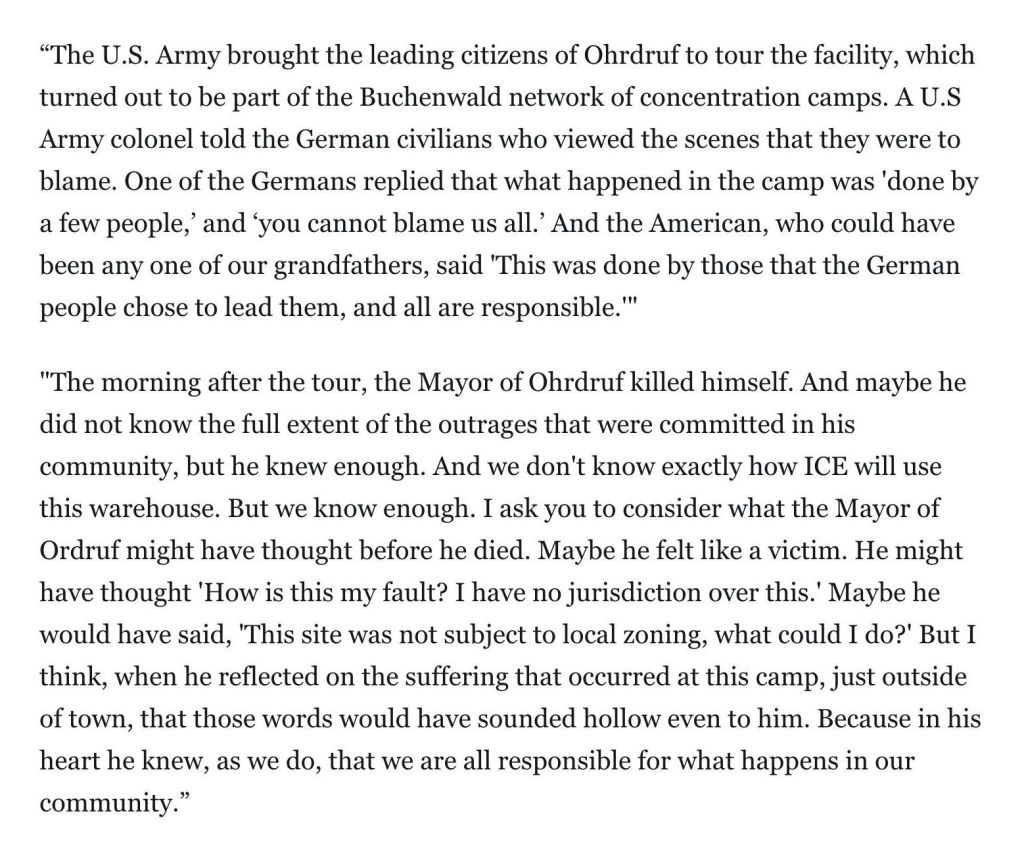
The mayor of a Nazi concentration camp town killed himself when he could no longer run away from the reality he’d contributed to. That is overpowering shame in action. (Source)

I think they spend every waking second pushing an ocean of shame down. I think it drives everything they do. We know this about how narcissism—which is entirely a product of early childhood trauma—functions. Dehumanizing others goes against our prosocial human nature. The core of their being, way deep down, knows that harming others is wrong. That leads to shame, which, in the absence of support for healing and contextualizing their trauma (including the trauma accumulated in the body from harming others), eats people from the inside out. Shame is an important human emotion to keep us from harming one another, but it’s an incredibly powerful one that is meant to be used extremely sparingly to align people to the collective good. Shame is like spicy flavour: keep it away from small children, and use it only as part of a complex balance of different flavours, not the whole-ass meal. Love is the vegetables, the carbs, the protein. We’re so deeply malnourished.

Organized Christianity, for all its well-meaning aspects and the good deeds of many of its more humble adherents, turned shame into a whole lifestyle, teaching people that we’re fundamentally broken and bad. “What’s wrong with you?” is thrown around like confetti in our culture. When you start seeing it, you can’t unsee it. Patriarchal power brokers in the early days of co-opting pagan spirituality towards monotheistic control couldn’t deal with the shame of owning slaves and treating women and children as property, so they took the culturally existing pan-Indigenous animist beliefs in everyone as fundamentally beautiful manifestations of spirit (good, helpful) and twisted that into “everyone is fundamentally saveable, but only if you submit to the will of this one angry god, as defined by us, and the power structures that we’re in charge of.”

Maybe fascists have no remorse, or some other word that describes their willingness to confront their own wrongdoing on a surface level. But I think, at their deepest core, they’re so full of shame that it leaks out of them like acid. They loathe themselves more than anyone around them ever could, so much that they’re barely alive. They are disconnected from what love would even feel like, because they don’t think they deserve it. Their bodies learned that in childhood, from parents passing down generational trauma through neglect and abuse, and/or from a patriarchal colonizer culture that cut them off from the aliveness of nature around them, from spirit, from joy, from kinship, from connection, from their own humanity. And most people around them today, including all of us, continue to tell them that they deserve nothing but pain and punishment. There are very few people saying to them “you’re human, you’re doing your best to fit in and survive in a fucked-up society that taught you that violence and domination are how to do that, and you have the capacity to heal, change and be happier.”

This is why I feel like something is deeply missing from our understanding of fascist violence, the larger structures that create and support it, and especially from conversations about what to do about it. How do we move forward if dehumanizing our oppressors in turn is the only move we have space for? If vengeance is all we can think about?

Many of us are exposed, and contribute, to social media discourse wherein the average conversation doesn’t go farther than “those guys are bad people who need to be punished.” I crave more than this type of in-group soothing of ourselves as being the Good Guys. In the offline organizing spaces I participate in, I do get deeper conversations about what we should actually, practically do about all this, and I strongly encourage people to join organizations in your community to be exposed to that kind of genuine worldbuilding. I just want to believe we can do better in online spaces as well, because it’s where so many people get all their information.

Colonizers, especially those attracted to positions of power and violence like certain frosty agents of the state, are acting from deep generational trauma and disconnection from nature and relationality that goes back centuries, and I don’t think we’ll stop the cycle until we reckon with that. (Read my dissertation for a thorough discussion of this issue.)

So, what can we do about this situation?

If you do feel ready to do this deep, difficult, rewarding work of movement-building without shame, here are my suggestions. But first, I want to express my gratitude to you, because it’s really, really hard to push past the anger enough to do this. Most people are not resourced enough for it. I struggle with it all the time!

Step one is to identify which of your identities makes you best suited to talk to other people with that same identity. As much as it sucks, I have to accept that white people are more likely to listen to me than the Black and Indigenous people I have learned from, so I talk to them. It’s a responsibility, but also an opportunity. Men, talk to other men. Straight people, talk to other heteros. Religious people, talk to others in your faith. Non-Indigenous people, talk to other settlers. Most of all, working class people, talk to each other about class issues! (Class is generally the most productive place to focus your efforts in my opinion, because it’s the great uniter, and the reason we were divided against each other by capitalists in the first place. But it has to be grounded in decolonization as well.)

Here are five resources I suggest to start with to build these communication and organizing skills. None are perfect, all are just tools in a toolbox. Pick whichever interests you, leave anything you don’t feel aligned with.

1) Nonviolent communication training: an incredibly resource for learning how to talk to and connect with people using a non-authoritarian approach. (This is where I learned to identify how often people interpret suggestions and requests as demands, a quick way to see how unresolved trauma functions to hamstring our movements.)

2) Let This Radicalize You by Kelly Hayes and Mariame Kaba: practical advice for organizing and activism, and how to make hope something that you build with others.

3) Maybe I’m cheating by calling this one a single resource, but it’s just too good! Interrupting Criminalization has got so much! Use it all, share it all! They are amazing!

4) Shaun does amazing work speaking to and about young white men from a critical but also humanizing perspective. Here’s another of his videos, and more resources I’ve compiled for fostering positive masculinity.

5) This one is a bit of a spicier recommendation, but if you’re ready to go even deeper and see how spirituality is an essential component we need to integrate in order to combat the appeal of fundamentalist cults, then listen to The Emerald podcast. “Oh Justice” is a relevant episode, but listen to any that pique your interest. My favourite is “Snail Juice.”

Be well, keep up the good work, rest and find joy. I love you, we’re all in this together.

I quit academia to educate without gatekeeping. I’ve compiled a ton of free resources here. If you REALLY want to get down and dirty with that decolonial life, join my Patreοn to get access to exclusive patrons-only writing and videos, including my PhD dissertation, which was embargoed by my university for being too politically spicy. If you’re on a healing journey, you can consult with me about psychedelic use.

If you appreciate this article, please share it with others! Here are three ways to say thank you, and support me doing more of it:

❤️ Join my Patreon 

💲 Send me some cash I can use to pay rent

👧 Buy my kids supplies like toothpaste and sunscreen!

Dr. Hilary Agro is an anthropologist, community organizer and mother of two young children.

Can people with bad political beliefs change?

“They should know better.”

Well, they don’t. What now?

I see a lot of rhetoric these days about how certain people in certain political cults–oh, you know the ones–are beyond saving. This is often applied extremely broadly, to anyone who has voted a certain way or espoused certain beliefs, even if they also hold other contradictory beliefs (which, like it or not, most people do). They’re lumped together and called “they” with no room for complexity or exceptions. They are like this, they are like that, they won’t listen, they are bad people.

When we say that people can’t change, that is not leftism. It implies one of two things: 1) a carceral approach, or 2) a doomerist approach. Because it essentially means either 1) we have to lock those people up (or worse) because they’re unfixable–ironically, the exact same authoritarian dehumanizing rhetoric They use about Us, except it’s fine because we’re good and correct. Or 2) there’s nothing we can do and we should just give up.

When we don’t make any space to allow for people to change and reintegrate into community, then we are guaranteeing that they will choose the more viable option for their social survival, which is to continue on the fаscist path that they’re going on, surrounded by other people who are doing that shit. We are also playing right into the hands of capitalists, who fucking love it when we see each other as Democrats, Republicans, Liberals and Conservatives rather than working class people. They’re roaring with laughter at us inside their skull-lined caverns full of gold coins, while we stand outside the castle yelling at each other instead of turning to face them.

There’s a weird situation on the left where people believe a lifelong gang member can be reformed, but not a conservative. (It’s possible I’m overestimating how many people are abolitionists who even believe the first one, but I like to hope we’re further along than that.) The reality is that there’s plenty of evidence for both: people who have done harm or believed harmful things can and do change.

This is an essential subject to talk about, because we badly need information from those who escaped right wing cults so we can understand how they draw people in, and intervene in that process. We need stories of people who were raised conservative coming around to realize that they’ve been lied to. We need to practice talking to people who have contradictory, misguided, propagandized beliefs in order to build a viable working class movement. If you appreciate the political work of literally any person who is white or a man, you can thank the people who helped them deconstruct the beliefs and behaviours they grew up with. When we foster an environment in which people are shamed and shunned for being honest about their deprogramming journey, we are depriving ourselves of an incredibly important resource.

It’s emotionally easier to believe that other people can’t change, because changing them is exhausting work and most of our experience with that is with family members, strangers online and other people who are seemingly irredeemably stubborn. But it’s also exhausting partly because we’re using the wrong tools for the job. We’re wildly under-resourced, and that’s been done to us on purpose: centuries of domination, forced competition, trauma, traditional lifeways and practices stolen and coerced and beaten out of us. But we still want to try, because we’re desperate. So we use the tools we were given by the same shitty society we’re trying to change: shame, judgement, berating, dominance, arguing, dehumanization, bad faith interpretations. We don’t first put the work in to build a trusting, mutually respectful relationship. We don’t try to really understand where another person is coming from, see their pain and struggle, and meet them where they’re at. That’s an uphill battle when we’re so starved for recognition ourselves. It feels unfair to have to be the one to offer empathy first. So instead of trying to bridge the gap and connect, we non-consensually shove facts and logic at them, call them bad people, tell them they’re wrong and problematic, vent our anger and disgust. We expect that to work, because we’re exhausted and we want it to. Then we get mad at them when they’re defensive and repulsed. They then go back to the people they feel safe with, the people who don’t challenge them in any way and have politics that are ecocidal but who also make them feel accepted and cared for in some way, and we throw up our hands and say “see? These people refuse to change!”

Parenting has been the most shocking, revolutionary experience I’ve had in a lifetime of learning. It’s like seeing into the Matrix: everything adults do that is annoying and dangerous is just something that wasn’t intervened in with empathy in childhood. For example: my 4-year-old does not want to wash her hands. It is the hill she is determined to die on, every single day, and it’s not an optional part of life. I am absolutely sick of it. It feels like I’ve tried everything, and I can feel the exhaustion taking over when I am tempted to just grab her hands and wash them for her while she screams. But force does not create healthy development. Just because I think she should know better, doesn’t make it so. Just because it would be easier for me if she just did what I told her to do, doesn’t make that actually happen. We spend a lot of time wishing reality were different, which stops us from seeing things as they are, and working with them. This is a form of healing that I’ve learned from plant medicines and Buddhism, and it’s made me a better parent and a better organizer. Instead, I strive to understand my 4-year-old’s aversion. She is probably also exhausted from a day spent being told what to do at school. She has sensory sensitivities and the soap is slimy. She is wired for play and novelty, and washing your hands sucks and is boring. If I understand where she’s coming from, I can help meet both our needs by turning handwashing into a game, or . Do I want to make a goddamn game out of handwashing when it’s 9 pm and I just want her to go to bed? Fuck no. Is it still good practice to try, whenever I can? Yes! Because when I push myself to do things that are tiring but align with my values, all sorts of benefits arise that I otherwise am blocking myself from. It feels better in my soul. I’m connecting with my kid, I’m connecting with my own joy. I never regret at least trying.

When we try using our same old tactics to change people, and fail, and decide that they must be unfixable, we are depriving ourselves of an opportunity to learn from the situation and better hone the most important tool of all—determining who is too far gone to be worth the energy vs. who can be brought around, and focusing on the latter group. We end up with a self-fulfilling prophesy of “nothing can be done,” retreating further and further into the safety of only engaging with people we deem to be Good who have our exact same politics. Which leaves everyone else, all the imperfect, lost, confused, lonely, well-meaning people who’ve been heavily propagandized and raised in a dysfunctional, racist and capitalist society, wide open to being scooped up by the people who are willing to or are paid to scoop them up.

It’s not working, fam. I want liberation and I’m willing to humble myself and try any tactic. I don’t want to look my kids in the eye as the ecosystem collapses and say “sorry, I was going to do everything I could but emotionally regulating myself enough to have frustrating conversations and choosing where to spend my energy wisely was too far.”

One of the problems, and it’s one I am complicit in, is that rather than focusing on fаscіst dogwhistles or racist microaggressions or sexist tropes or people who voted for X politician–specific behaviours that people engage in–we frequently use terms like right-winger or racist or misogynist. People are always more complex than whatever label we give them. This entire project becomes much easier if we see our fellow working-class people as people rather than as identities or labels. Labels can be useful as shorthand, and I’m certainly not against calling the most obvious and dangerous cases what they are–for example, JK Rowling is a transphobe. But labels are inherently flattening and dehumanizing, and dependence on them is dangerous. We risk eventually believing through repetition that the labels are reflective of objective reality, where reality is always more complex than any label can describe.

As always, by communicating all of this, I am not saying you personally have to do anything. You don’t have to personally fix your MAGA uncle or coddle Yahtzees. If that’s what you think I’m saying, then there’s a fundamental communication disconnect, so please feel free to go do whatever aligns with your values. What I am doing here is offering information and suggestions to better inform and hone our tactics on the left. This is for people who are committed to movement-building praxis and are interested in challenging themselves. Building a working-class movement requires us to engage with people who have all sorts of weird and incongruous beliefs; any seasoned organizer can tell you this. 100% of the people we need to talk to in order to grow the movement are not yet radicalized into liberationist politics. Most people are not hardcore white supremacists with a coherent worldview. They don’t realize that their weird misgivings about trans people or their reflexive defenses of Taylor Swift are a result of a colonial/capitalist project designed to turn them against their own interests. And personally, I don’t ever want to have so much confidence that I’m one of the Good and Correct ones that I support a system in which we have to lock the Bad and Wrong people up (or worse). The leopards will always come to eat our faces too.

So, what can we do about this situation we’re in?

If you do feel ready to do this deep, difficult, rewarding work of movement-building without individualism and shaming, here are my suggestions. But first, I want to express my gratitude to you, because it’s really, really hard to push past the anger we’ve been trained to target at our fellow human beings enough to do this. Most people are not resourced enough for it. I struggle with it all the time!

Step one is to figure out which of your identities makes you best suited to talk to other people with that same identity. As much as it sucks, I have to accept that white people are more likely to listen to me than the Black and Indigenous people I have learned from, so I talk to them. It’s a responsibility, but also an opportunity. Men, talk to other men. Straight people, talk to other heteros. Religious people, talk to others in your faith. Non-Indigenous people, talk to other settlers. Most of all, working class people, talk to each other about class issues! (Class is generally the most productive place to focus your efforts in my opinion, because it’s the great uniter, and the reason we were divided against each other by capitalists in the first place. But it has to be grounded in decolonization as well.)

Here are five resources I suggest to start with to build these communication and organizing skills. None are perfect, all are just tools in a toolbox. Pick whichever interests you, leave anything you don’t feel aligned with.

1) Nonviolent communication training: an incredible resource for learning how to talk to and connect with people using a non-authoritarian approach. (This is where I learned to identify how often people interpret suggestions and requests as demands, a quick way to see how unresolved trauma functions to hamstring our movements.) The intro training is free on Spotify.

2) Let This Radicalize You by Kelly Hayes and Mariame Kaba: practical advice for organizing and activism, and how to make hope something that you build with others.

3) Maybe I’m cheating by calling this one a single resource, but it’s just too good! Interrupting Criminalization has got so much! Use it all, share it all! They are amazing!

4) Shaun does amazing work speaking to and about young white men from a critical but also humanizing perspective. Here’s another of his videos, and more resources I’ve compiled for fostering positive masculinity. I have also started making videos about this!

5) If the stuff about animist spirituality above intrigued you and you’re ready to go deeper and see how spirituality is an essential component to integrate in order to combat the appeal of fundamentalist cults, then listen to The Emerald podcast. “Oh Justice” is a relevant episode, but listen to any that pique your interest. My favourite is “Snail Juice.”

Be well, keep up the good work, rest and find joy. I love you, we’re all in this together.

I quit academia to educate without gatekeeping. I’ve compiled a ton of free resources here. If you REALLY want to get down and dirty with that decolonial life, join my Patreοn to get access to exclusive patrons-only writing and videos, including my PhD dissertation, which was embargoed by my university for being too politically spicy. If you’re on a healing journey, you can consult with me about psychedelic use.

If you appreciate this article, please share it with others! Here are three ways to say thank you, and support me doing more of it:

❤️ Join my Patreon 

💲 Send me a straight-up cash tip if you’re baller like that

👧 Buy my kids supplies like toothpaste and sunscreen!

Dr. Hilary Agro is an anthropologist, community organizer and mother of two young children.